
BUYING GUIDE
How to Choose a Hair Extension Salon: Consultation, Methods and Costs
Choose a hair extension salon: compare consultations, methods, costs and aftercare, with sourcing advice for salon owners.
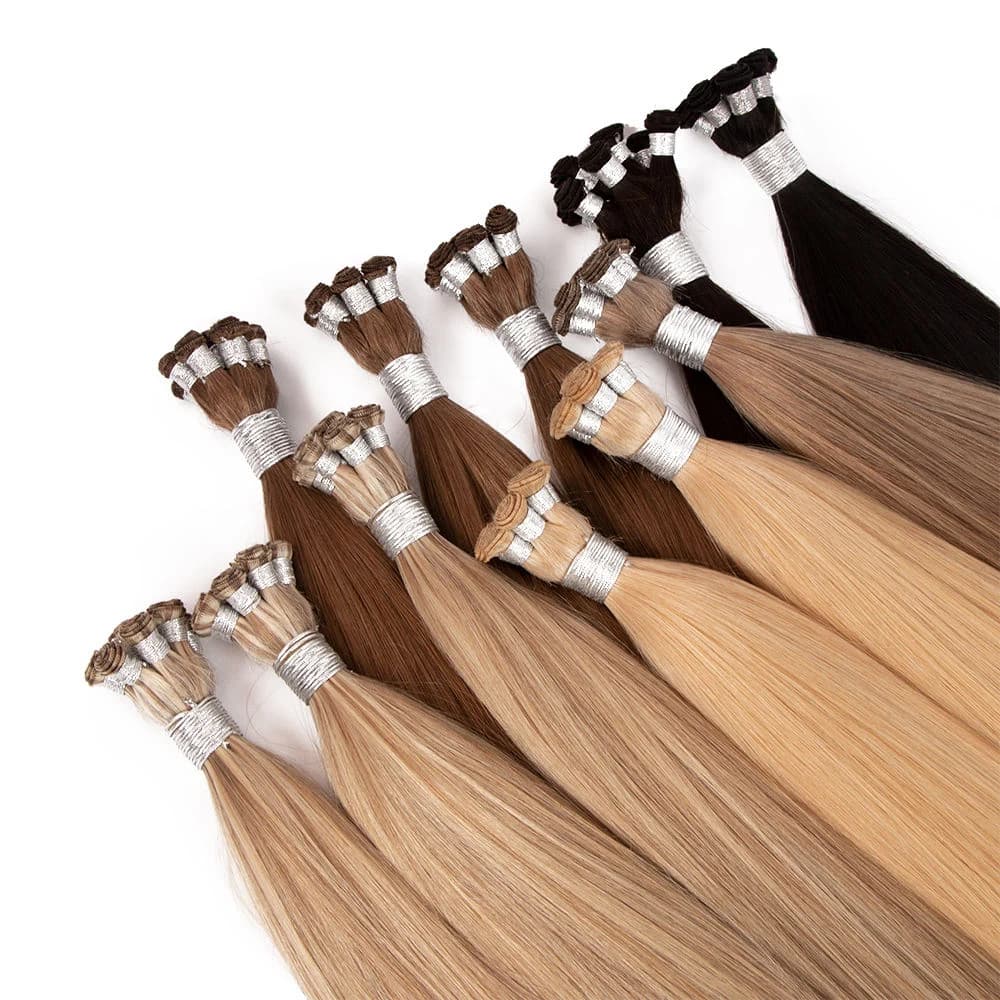
Introduction
Choose a hair extension salon by checking the stylist's experience with your proposed method, a consultation that assesses your natural hair, a written service quotation and a clear maintenance and removal plan. A convincing photograph is a starting point; it cannot establish whether the same installation suits your density, lifestyle or budget.
If you searched for “hair extensions near me,” start by identifying the service you need, then compare local specialists before booking. This guide gives you questions to take into a consultation. If you run a salon, the purchasing section explains how product specifications and sample approval support that service. DR Hair Extension is a manufacturer and wholesale supplier, so our inquiry form is for hair products and sourcing rather than salon appointments.
Searching for “Hair Extensions Near Me”? How to Choose a Local Salon
Search your city or neighbourhood with the service you actually need: tape-ins, weft extensions, keratin tips, a refit or professional removal. Selling extension hair and fitting it are different services; confirm that the business offers the appointment you want. Check the salon's own website for its address, opening hours, contact details and current booking arrangements, then confirm details directly before travelling. Confirm which stylist performs the appointment rather than assuming everyone in the salon offers the same methods.
Build a shortlist you can reach for maintenance as well as the initial fitting. The nearest address may be convenient, but also compare the proposed method, relevant experience and access to removal or adjustments. Ask whether consultations are charged, what they include and whether a fee is credited toward fitting. Obtain a written service quotation before paying a deposit; a listing's starting price may cover a different result from yours.
A brand's stylist locator can help identify professionals trained in that particular system. For example, the BELLAMI stylist locator identifies stylists by area and lists extension methods. A listing is one useful check, not an independent guarantee of every service or a recommendation from DR.
Look beyond a single transformation photograph
Ask for examples involving a starting length, density and texture similar to yours. A long, dense result on thick natural hair tells you little about a sparse hairline or a short blunt cut. Look for the finished blend from the back and sides, plus attachment-area views where the client has permitted them.
Ask whether photographs show the stylist's own work and which method was used. Recent reviews about consultations, maintenance and how concerns were handled are more useful than a star rating alone. A qualification or brand certificate should relate to the service you are considering; ask how the stylist keeps that training current.
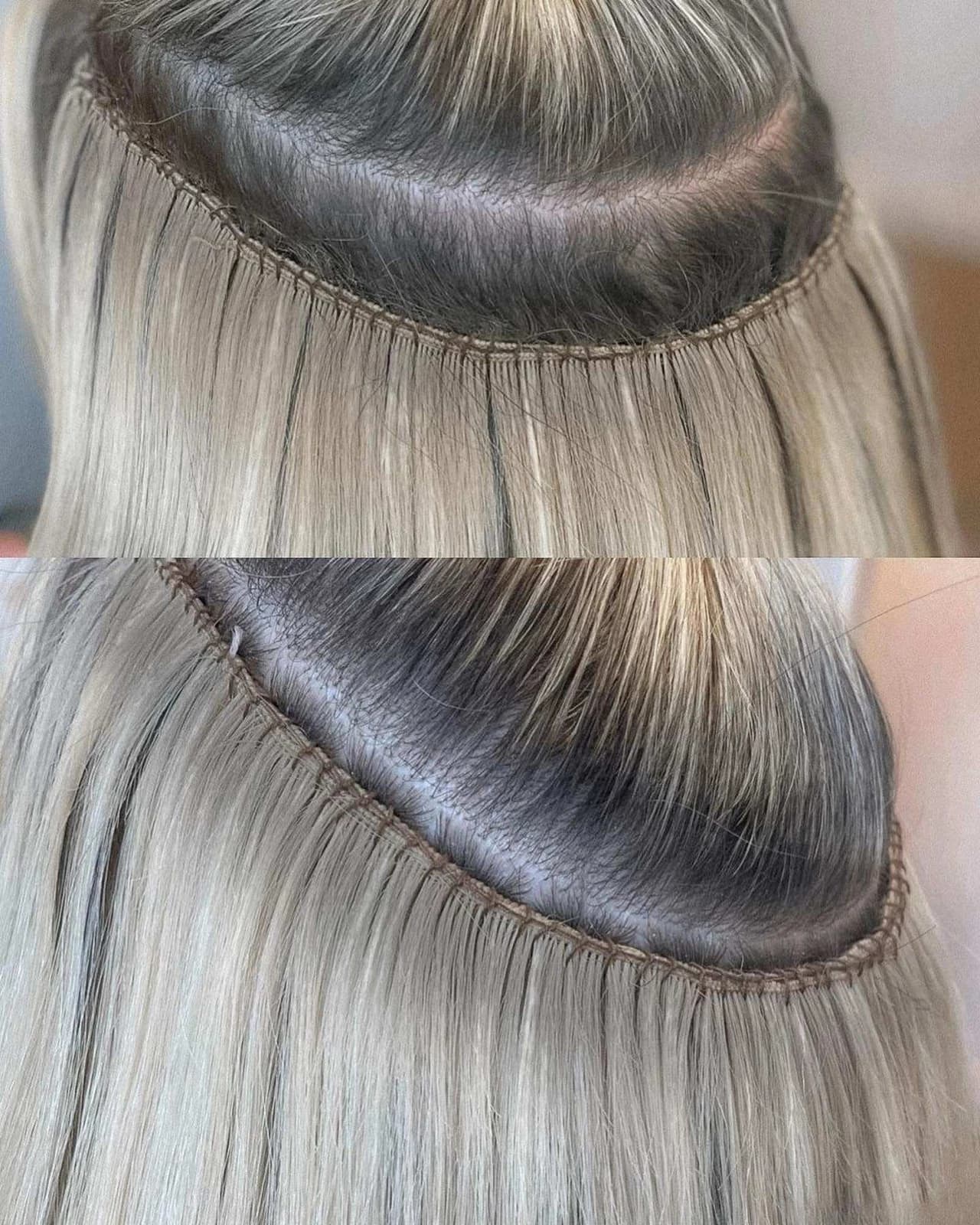
What a useful hair extension consultation should cover
The consultation should connect your desired result with the hair available to support it. Bring photographs of the look you want, explain your normal styling routine and be open about the appointments you can realistically attend.
Natural hair, coverage and installation preparation
Expect discussion of strand thickness, density, existing length, breakage, recent color services and previous extensions. Fine strands and low density are different observations. Ask how the stylist will assess concealment around the sides, parting and hairline, especially if you regularly wear your hair up.
Explain swimming, frequent exercise, heat styling and travel. Ask for installation preparation instructions for the chosen system, including washing, drying and products to avoid near attachments. Do not copy preparation advice from another method; residue that helps temporary styling may interfere with an adhesive system.
The American Academy of Dermatology recommends professional fitting and responding to pain or excessive tightness. Discuss unexplained shedding, scalp irritation or existing hair loss before proceeding; a dermatologist may be needed. Extensions provide cosmetic length or fullness and do not treat hair loss.
Shade, texture and the amount of hair
Compare physical hair samples with the visible mid-lengths and ends, then consider the root shade and attachment color. Screen images are useful references but cannot confirm a precise match. Ask what happens if the ordered shade differs from the approved sample.
Have the stylist explain the proposed quantity and placement. A supplier's 100g pack is a purchasing unit, not a universal installation recommendation. More length or weight can change the blending and support requirements. Our quantity guide explains grams, pieces and packs without prescribing one amount for every head.
Compare methods before committing to an appointment
Ask why a method suits your hair and routine, what alternatives were considered and which limitations remain. A specialist should be able to explain the attachment and removal process in ordinary language.
| Method | What the salon should explain | Product detail worth checking |
|---|---|---|
| Tape-in | Adhesive preparation, placement, refitting and residue removal | Individual tab count, dimensions and compatible replacement tape |
| Sewn or beaded weft | Foundation design, row placement, coverage and maintenance | Weft construction, piece weight and cutting instructions |
| Traditional hand-tied weft | Management of the return hair and intact seam | Piece count and lengths; avoid cutting the top seam unless the supplier specifically permits it |
| Keratin tip | Bond system, section planning and professional removal | Strand specification and instructions for the selected bond |
| Nano ring | Tip-to-ring compatibility, placement and refitting | The actual tip and ring combination |
| Clip-in | Set layout, temporary wear and daily removal | Piece widths, clip positions and total set weight |
These are consultation topics, not fitting instructions. The product and trained stylist determine the appropriate workflow. Our installation guide explains the differences in more detail, while the fine-hair guide covers supporting hair and concealment.
Product names can hide important construction differences
Weft describes a format, not one interchangeable attachment. DR's traditional Hand-Tied Weft has short return hair, and cutting its top seam can cause shedding. DR's Butterfly Weft has a perforated band for professional bead or micro-ring fastening. It is not adhesive tape-in hair, despite the legacy wording in its URL.
Ask the salon to identify the actual construction it plans to order. Familiarity with a different weft brand does not replace instructions for the selected product.
Compare a volume plan with a length plan
If you want more fullness while keeping your present length, ask the stylist to explain a focused volume option before comparing it with a longer transformation. The longer option may require a different blend, more purchased hair and additional styling work. These are planning comparisons, not a reason to assume a fixed number of rows or packs.
For an occasional event, discuss whether temporary pieces would meet the brief and whether a trial with the intended hairstyle is available. For continuing wear, compare the appointments and home-care routine over the same period. A suitable proposal needs to work on ordinary days, not only for the salon's final photograph.
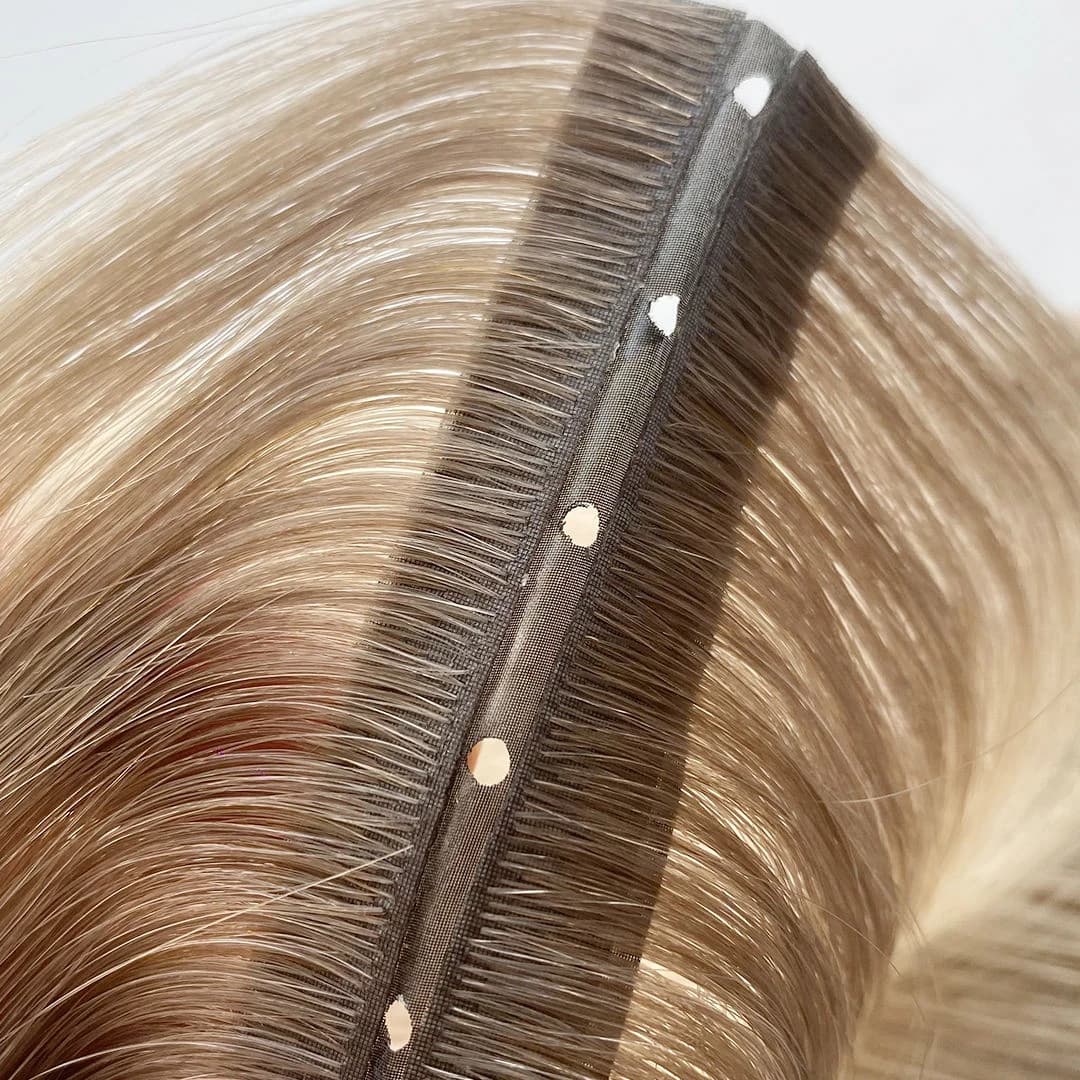
Compare the complete service cost, not only the starting price
Request an itemized quotation covering hair, installation, blending or cutting, any color work, maintenance, removal and replacement attachments. Clarify the deposit, cancellation terms and what happens if a suitable shade is unavailable. A starting price may describe a small volume service rather than the longer result in a photograph.
Ask whether maintenance means moving an attachment, removing and reinstalling the hair, replacing tape or rebuilding the foundation. Those services involve different work. Also ask whether removal is available if you cannot continue wearing the extensions.
As a real service-page example, Voga Salon separates consultation, installation services and maintenance and discusses matching, method choice and home care. Its menu illustrates why service categories matter; its prices and procedures are not DR pricing or a universal market standard.
Our professional extension cost guide provides a fuller budgeting framework. Compare quotes for the same method, hair quantity and included work before judging value.
For salon owners: connect the consultation to product sourcing
A salon's client assessment should become a clear purchasing brief. Record customer requirements before ordering: method, texture, shade, length, pack format and the appointment deadline. Separate frequently reordered stock from custom requests so you can explain availability accurately.
Check the pack specification before comparing quotes
For DR's standard Tape-in Hair, 100g contains 40 individual tabs, forming 20 conventional two-tab pairs. The standard tab measures 4 × 0.8cm. Those figures describe the supplied pack, not the quantity suitable for every client.
Our made-to-order Hand-Tied Weft is available in 14–28 inches. A default 100g pack normally contains five or six wefts, with piece count adjustable to the agreed order. Confirm the format instead of comparing prices by the word “bundle.” Explore the product collection to compare constructions and current ordering terms.
Use a sample approval process and retain the reference
Review shade, texture, end density and attachment construction on the product you intend to buy. A trained stylist can then evaluate product application and care according to the supplier's instructions. Record observations after the agreed washing and handling checks; an unopened photograph cannot establish long-term wear.
Factory testing should be described precisely. DR checks hair weight, measured length, color, shedding and smoothness. Each hair pack is weighed against its agreed weight; the final shipment inspection uses sampling, with full re-inspection of the affected shipment if sampling identifies a nonconformity. These are product checks, not laboratory certification or a guarantee of every client's result. See our quality-control process.
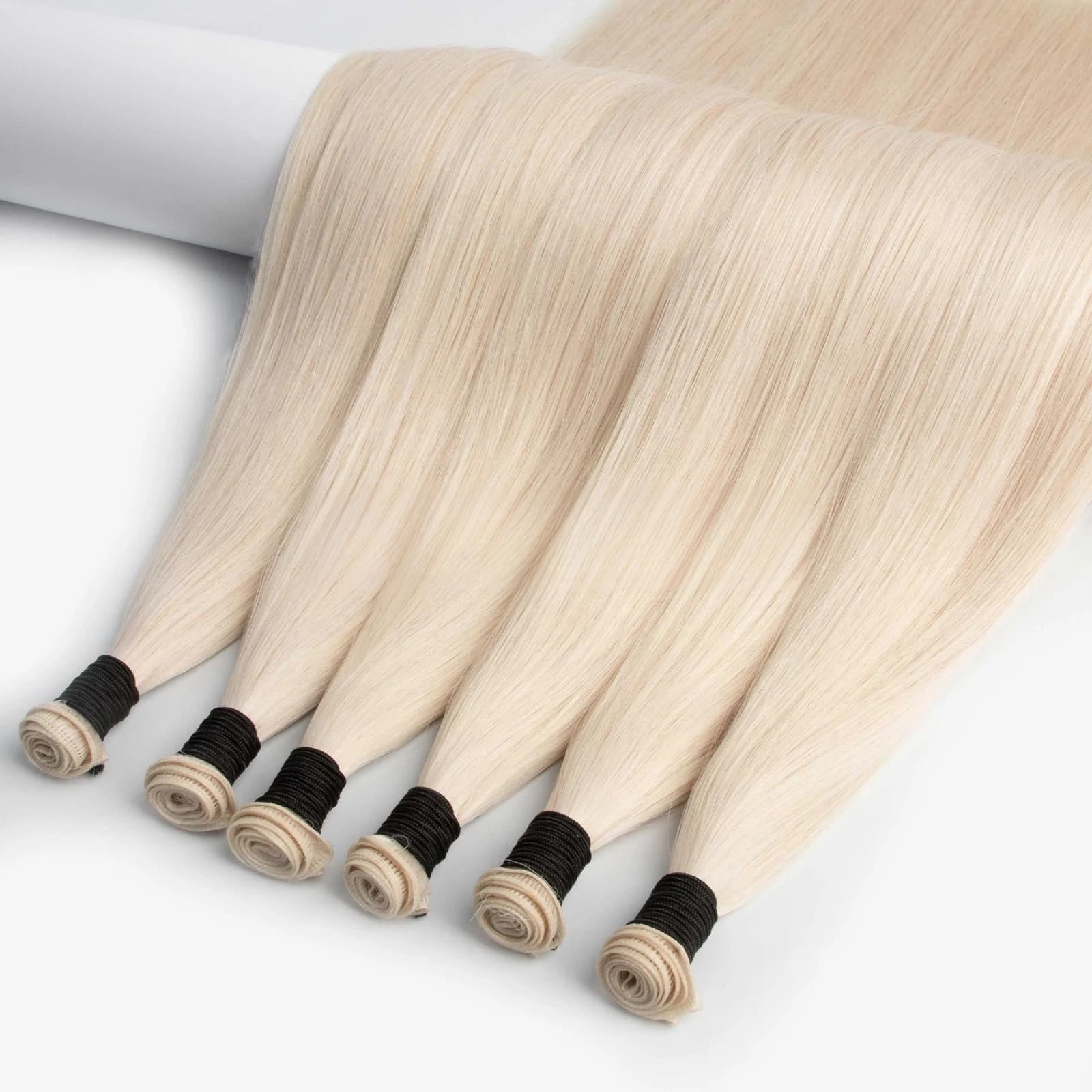
Our anonymized salon customer story describes an independent US stylist who began with a physical color ring and 300g across Genius Weft, tape-in and flat tip samples. She reviewed the products, evaluated them through salon use and then developed repeat orders and branded packaging. This is one customer's experience, not a prediction of revenue or results for another salon.
Agree responsibilities before promising an appointment date
Keep the approved product specification with the quotation and distinguish stock dispatch, custom production and transit. Tell the supplier which date is a client appointment and ask what can actually be confirmed. A dispatch estimate is not a guaranteed arrival date, particularly when international delivery and customs are involved.
Document how shortages, shade questions or visible product concerns should be reported after delivery. Check packs against the order before the client arrives and retain relevant labels and photographs. Separately, explain the salon's service policy for fitting, adjustments, maintenance and outside hair. This helps the wearer understand which business to contact without suggesting that every concern has the same cause or remedy.
For wholesale hair extensions for salons, the useful comparison is the approved specification, delivered cost, communication and repeat-order process. Use the supplier-selection checklist for that separate purchasing decision.
Agree maintenance, aftercare and support before fitting
Ask for a maintenance plan tied to your method, hair growth and attachment condition. The useful life of the hair and the interval between refits are separate questions. A reuse claim should explain how the stylist assesses the hair and which attachments must be replaced.
Request written instructions for washing, drying, brushing, sleeping and heat styling. Know whom to contact if a piece slips, an attachment becomes exposed or discomfort develops. A responsible response involves assessment rather than simply adding more hair or tightening the installation.
Before leaving, check the blend with the hairstyle you normally wear, confirm the next appointment and keep the product and service record. Photograph the agreed starting result if you wish, while respecting the salon's and other clients' privacy. Records help distinguish a product concern from placement, maintenance or handling questions.
Take this consultation checklist to your shortlist
Compare two or three realistic options using the same questions. You do not need to select the longest service menu; look for specific answers about the result you want.
- Who performs my fitting, and what experience do they have with this method?
- Can I see comparable starting hair and finished blends?
- Why is this attachment and quantity suitable for my coverage?
- Which hair, shade and pack format will be ordered?
- What is included in the quotation and deposit?
- How are maintenance, removal and replacement hair charged?
- What preparation and home care are required?
- Who handles a problem, and how quickly can I arrange an assessment?
A clear consultation should leave you with an agreed method, an explained budget and a practical next step. If key details are still unresolved, ask for clarification before committing to the service.
Frequently asked questions
How should I compare salons when searching for hair extensions near me?
Search your city or neighbourhood with the intended method, then confirm the address and fitting service directly with the salon. Compare the assigned stylist's experience, examples on comparable natural hair, consultation terms and a written quotation covering maintenance and removal. Consider return visits as well as travel for the first appointment. Contact the salon directly to book; DR's inquiry form is for product sourcing.
Should a salon offer a consultation before fitting extensions?
Choose a service that assesses your natural hair, desired result, method, shade, quantity and maintenance expectations before fitting. Ask whether the consultation has a fee and whether that amount is credited toward the service; policies vary.
Can I bring my own hair extensions to a salon?
Ask before purchasing. Some salons accept outside hair after inspecting it; others work only with systems they supply. Confirm attachment compatibility, fitting charges and who handles concerns about the hair. The supplier and salon may have different responsibilities.
What is the best salon extension method for fine hair?
There is no universal answer. Strand thickness, density, available concealment, supporting hair and maintenance all matter. Ask a trained stylist to explain the proposed weight and placement. A thin attachment or a product marketed for fine hair does not establish individual suitability.
Does DR Hair Extension book installation appointments?
DR manufactures and supplies extension hair and accessories to salons, stylists, brands and wholesale buyers. This website's inquiry form requests products, samples and sourcing quotations. Arrange consultation, fitting, maintenance and removal with your chosen salon.
How should a salon evaluate a new hair extension supplier?
Write the specification, review representative paid samples, record application and care observations, and confirm order and inspection terms. Keep the approved shade and construction as a repeat-order reference. Factory product checks and a salon's application assessment address different questions.
Conclusion
Choose a hair extension salon that explains the relationship between your natural hair, the selected product and the work needed to maintain it. Relevant experience, realistic expectations, a complete quotation and accessible aftercare are stronger decision tools than a dramatic photograph alone.
For salon owners, the same clarity should continue into sourcing: agree the pack, approve the sample and document the requirements before ordering. That creates a clearer connection between the consultation promise and the hair delivered for the appointment.
HAIR EXTENSION SOURCING
Request a hair extension specification or quote.
Share your shade references, lengths, texture, quantities and preferred pack format. Fields marked with * are required.