
BUYING GUIDE
How Long Do K-Tip Extensions Last? Maintenance, Pros and Cons
Understand K-tip wear time, maintenance, removal and replacement. Compare tape-ins and nano rings before choosing a salon service.
Introduction
How long do K-tip extensions last? A useful published reference is 3–6 months for BELLAMI K-Tips with proper care, according to its professional method guide. That is a specification for that brand, not a guaranteed wear period for every keratin-bonded extension.
For DR K-tip hair, plan the removal date with your stylist using the selected product, natural-hair condition, growth and care requirements. Our catalog directs professional care, removal and any reapplication; it does not promise a fixed number of months.
The practical buying question is bigger than how long the hair stays attached. You need to know when it should be reviewed, how removal works and whether the next service requires new hair. This guide separates those decisions, explains maintenance and compares K-tip, Tape-in and Nano Ring service requirements. DR Hair Extension publishes it as a manufacturer and wholesale supplier using our current catalog and the named professional sources linked below.
Understand wear time, maintenance and hair lifespan
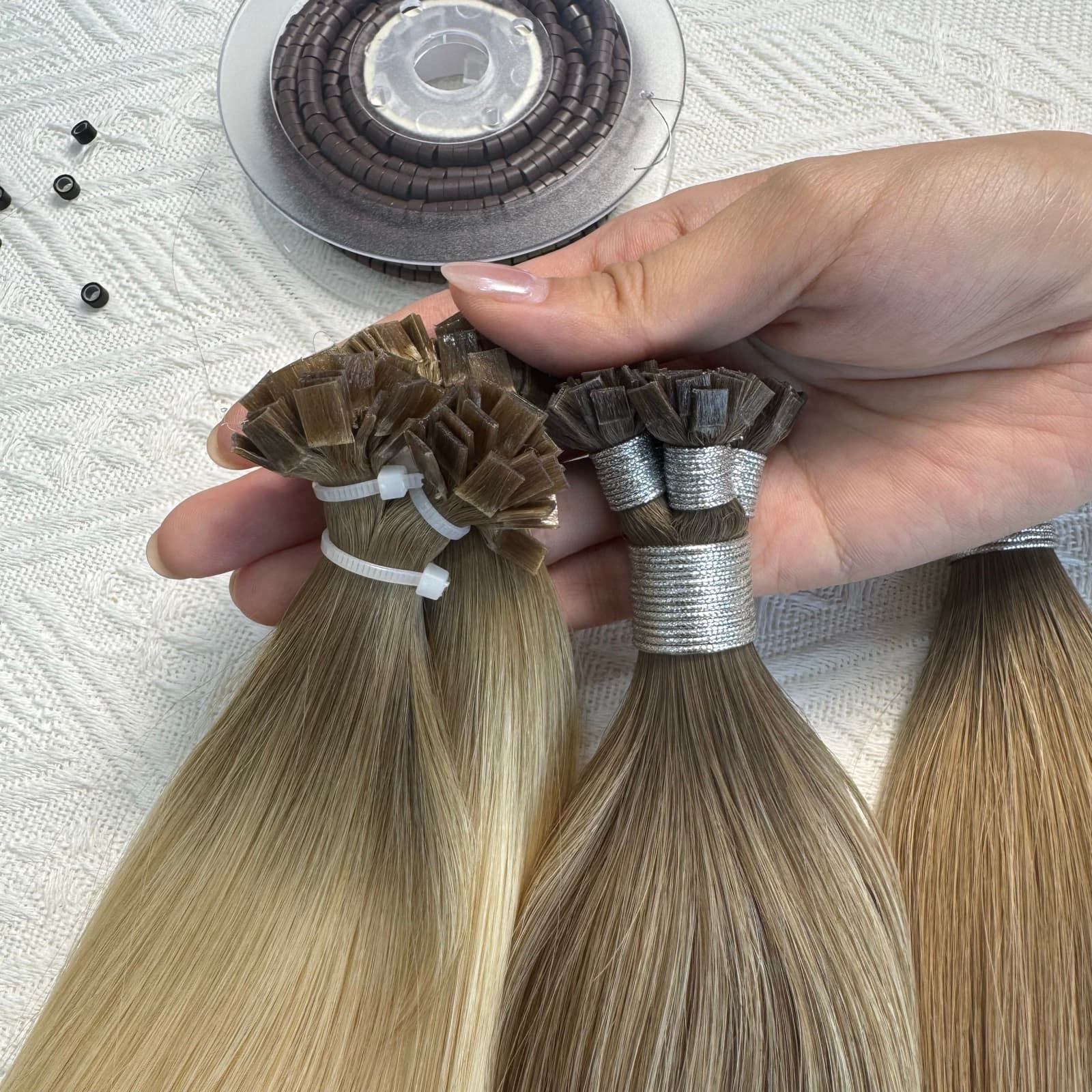
K-tip extensions use individual pre-bonded strands attached through professional heat fusion. In DR's collection, K-tip / Flat Tip Hair refers to this product. A similar tip name elsewhere does not establish an identical bond formulation or service protocol.
Separate these four terms when discussing an appointment:
| Term | What you need to confirm |
|---|---|
| Installed wear time | How long the current attachment may remain before professional removal |
| Maintenance review | When the stylist checks growth, separation, attachment condition and comfort |
| Hair condition | Whether the lengths still meet the required quality and appearance |
| Reapplication permission | Whether the selected system allows another installation, and under what conditions |
A smooth-looking length does not prove that the attachment can remain indefinitely. Equally, removing a set does not automatically establish permission to reuse it.
Does “no move-ups” mean no maintenance?
No. BELLAMI describes its K-tips as remaining installed until removal rather than receiving routine move-ups. Reviews and home care are still relevant. For DR, agree the service plan separately rather than importing that brand's schedule.
Record the installation date, product reference, fitted strand count, review arrangement and intended removal date. This gives both client and stylist a clear plan and a reason to return earlier if conditions change.
What affects how long a K-tip installation lasts?
Natural hair and placement
The professional assessment should cover density, existing damage, coverage around the proposed attachment areas and the desired length. Fine strands and low overall density are different observations. Neither tells you, on its own, how much extension hair is suitable.
DR's standard pack is 100g with 100 strands at 1g each. That is a purchase specification, not an instruction to install the whole pack on every client. Custom strand weights, counts and pack weights can be discussed together. A request for lighter strands should lead to a confirmed specification and sample, not an assumption that a standard bond can simply be divided.
Installation preparation and daily use
Before product application, the stylist needs the selected system's preparation and fitting instructions. Confirm the intended hair products, washing routine, swimming, exercise and frequent heat styling during consultation. These customer requirements help establish a realistic care plan.
Choose someone trained in the actual fusion method. Consistency of the fitted bonds and placement matters more than using the longest advertised wear period as a target. If a client cannot attend the planned review or removal appointment, resolve that before fitting.
Build a manageable K-tip maintenance routine
Ask the stylist to provide written first-wash timing, compatible products, drying guidance and the next review date. Keep the instructions with the product reference so another salon can identify what was fitted if needed.
Remi Cachet's aftercare guide supports gentle detangling from the ends while supporting the attachments, keeping conditioning products away from bonded areas and avoiding direct styling heat on bonds. Follow the selected system's instructions rather than borrowing another brand's exact temperatures or wash schedule.
For sleeping, BELLAMI's care center recommends dry hair and a loose braid or soft tie to reduce tangling. Ask your stylist how this fits your length and attachment arrangement.
Make check-ins useful
Note any change in comfort, unusual strand loss, difficulty separating the roots or deterioration in the lengths. Photograph a concern and contact the salon; a photograph can help explain the issue but cannot replace an assessment.
Bring the product names you use at home to a review. “Extension-safe” on a label is less useful than checking the actual item against the selected bond system. Agree how the salon wants you to report concerns between visits.
When should K-tip extensions be removed or replaced?
Use the agreed appointment as a planned limit, with earlier assessment when concerns appear. Waiting until attachments fall out is not a maintenance strategy.
| Observation | Practical next step |
|---|---|
| The planned removal date is approaching | Arrange the professional service and decide the next look |
| Roots are becoming difficult to separate | Ask the stylist to inspect promptly; avoid pulling apart a knot |
| Repeated slipping or a visibly changed bond | Have the attachment and care routine assessed |
| Dry, tangled or uneven-looking lengths | Review hair condition and the replacement specification |
| Pain, pulling, scalp irritation or unexpected hair loss | Seek prompt professional assessment; consult a dermatologist for scalp or hair-loss concerns |
The American Academy of Dermatology warns that repeated pulling from extensions can cause traction hair loss and that pain or headaches indicate an overly tight style. A longer advertised lifespan is never a reason to tolerate persistent discomfort.
Removal should be performed professionally using the appropriate method and products for the fitted system. Do not pull out bonds or use an improvised remover. Book enough time for removal and assessment before deciding on another installation.
Can K-tip extensions be reused or retipped?
There is no universal answer across brands. BELLAMI specifies a single installation and recommends new K-tips after removal. By contrast, Remi Cachet publishes retipping guidance with different materials for its own extension types, including Flat Tips and Nail Tips. Those policies demonstrate why the exact system matters.
For DR, confirm any reapplication arrangement with the supplier and stylist before assuming the hair is reusable. Our current catalog does not specify a universal retipping protocol or guaranteed reuse count.
Ask these questions before budgeting for reuse
- Does the selected product permit another installation after removal?
- What bond material and professional process are approved?
- How will the stylist assess the removed hair and remaining usable length?
- What would make replacement preferable, and what labor is charged?
If reapplication is permitted, it is a new professional service decision. It is not permission to reheat an old installed bond at home. Retipping labor, preparation and blending can also change the apparent saving compared with buying a new set.
K-tip extensions pros and cons for service planning
K-tips can suit someone seeking an individually placed, installed extension service who can follow aftercare and return for professional removal. Their advantages need to be weighed against the complete service commitment.
| Potential advantage | Tradeoff to discuss |
|---|---|
| Individual strands allow targeted placement and shade mixing | The stylist must assess each proposed area and the fitted weight |
| No daily clipping in and out | Home maintenance continues throughout the installed period |
| A separate attachment on each strand rather than a wide panel | Many individual attachments require careful care and professional removal |
| Custom specifications can support a planned salon range | The sample, fitting method and order details must be confirmed together |
| A defined removal-and-replacement service can support forward booking | Replacement hair and removal labor belong in the initial budget |
They may be a poor match for someone wanting only occasional wear, unable to maintain the attachments or unwilling to arrange removal. A client avoiding heat during fitting should compare a different application method. No extension type is automatically damage-free, and a small-looking bond is not proof of suitability for fragile hair.
For a broader consultation framework, see our extension method guide for fine or thin hair.
K-tip vs Tape-in vs Nano Ring extensions
Compare the service process as well as the initial appearance. DR offers all three formats, but their attachment and reapplication requirements differ.
| Buying question | DR K-tip / Flat Tip | DR Tape-in | DR Nano Ring |
|---|---|---|---|
| Application | Individual heat-fused bonds | Adhesive-backed individual tabs | Strand-by-strand ring fitting |
| Standard pack | 100g / 100 strands | 100g / 40 individual tabs | 100g / 100 strands |
| Standard hair per piece | 1g per strand | Approximately 2.5g per tab | 1g per strand; other options available |
| Reapplication planning | Confirm permission, process and removed-hair condition | Professional assessment and replacement tape | Professional assessment of hair, tips and ring-fitting requirements |
| Main service question | When is removal due, and is new hair required? | When should tabs be removed and refitted? | When should placement and attachments be reviewed? |
These pack figures are not equivalent installed quantities. Tape-in tabs are commonly paired, while individual-strand methods use a different placement plan. Comparing one tab with one strand would obscure the actual service.
Nano Ring Hair uses no heat or added adhesive during fitting; that does not mean its manufactured tip contains no adhesive. Tape-in Hair has its own removal and retaping requirements. Read the separate tape-in longevity guide for that lifecycle rather than assigning it a K-tip schedule.
Apply the comparison to the client's routine
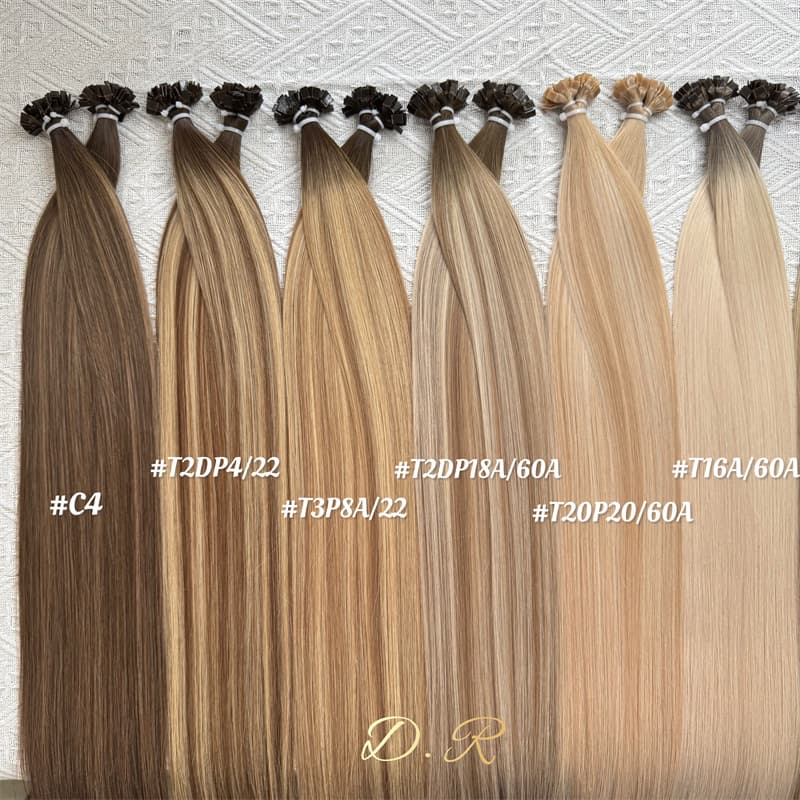
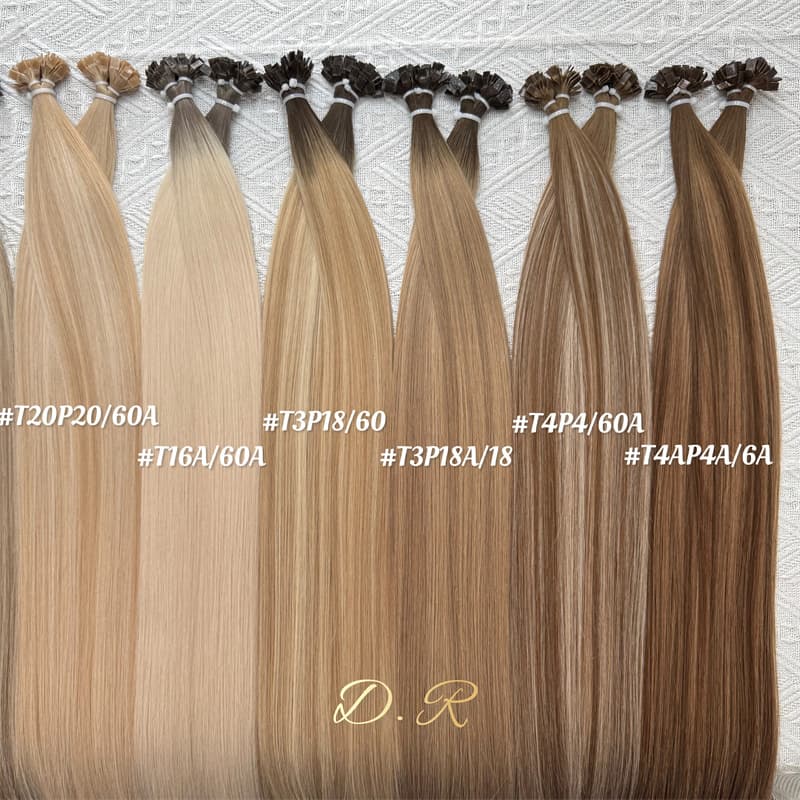
Consider a client who wants dimensional color through selected lengths and prefers to keep the result installed. K-tip strand placement may be worth discussing, provided the stylist approves the natural hair and can supply a clear care and removal plan. The consultation should establish the desired color distribution, fitted weight, review arrangements and replacement budget. A product photograph helps communicate the shade; it cannot approve the placement.
Now consider a client who travels frequently and expects to be away when removal is due. Choosing the longest quoted wear period does not solve the appointment problem. Establish where professional support will be available and whether the client can maintain the attachments while traveling. If that cannot be arranged, reconsider the installation timing or discuss a temporary option rather than planning to extend wear beyond the agreed date.
These are planning scenarios, not reported client outcomes. In either case, ask for a written service proposal that identifies what is included at the first appointment and what happens at removal. That makes the comparison between K-tip, tape and ring methods specific to the client's circumstances rather than a contest over which attachment lasts longest.
Choose replacement hair and compare the full service cost
Keep the original shade code, hair option, length, strand weight, count and total pack weight on the client record. At replacement, reassess the color and desired length instead of automatically repeating the old order. Natural color, styling goals and the client's preferred result may have changed.
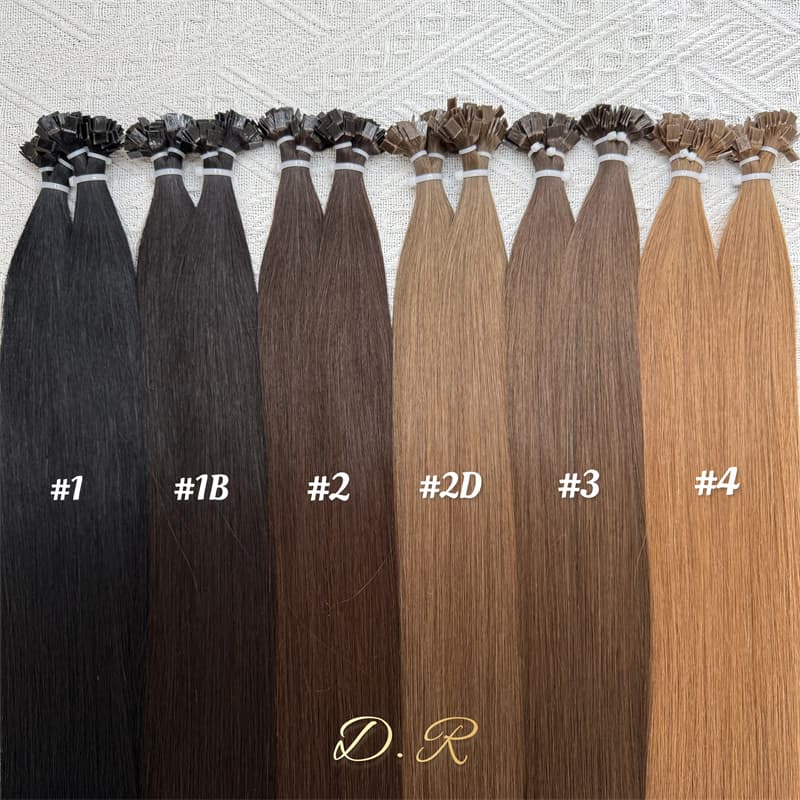
DR lists more than 40 stock colors in 18, 20 and 22 inches, subject to confirmation of the selected combination. The minimum order is 100g per color and length. Paid samples use wholesale hair pricing, with delivery quoted separately. Our K-tip buying guide covers specifications and sourcing in more detail.
Compare quotations that include hair, fitting, cutting and blending, scheduled reviews, removal and the next installation. If reuse is proposed, itemize any preparation and retipping charge. Comparing purchase price alone cannot show the cost of maintaining the result.
What factory checks can establish before salon use
DR's confirmed quality-control process includes production-stage checks, weighing every pack and final sampling for weight, ruler-measured length, color under dedicated lighting, shedding and smoothness. A sampled nonconformity triggers full reinspection of the affected shipment.
That factory testing and shipment inspection support conformity checks before dispatch. They do not establish a measured number of installed months. Request any additional bond evaluation as an agreed sample check; do not treat an unrecorded strength or wear test as completed evidence.
Our documented US salon sampling example began with a color ring and a 300g selection across Genius Weft, Tape-in and Flat Tip hair. Product examination and salon use informed later ordering. It is an example of evaluating a supplier, not a controlled K-tip longevity trial.
For your own pilot, record the fitted product, care instructions, review observations and removal outcome. This creates more useful purchasing evidence than accepting a lifespan claim without knowing the installation conditions.
Frequently asked questions
How long do K-tip extensions last on the first installation?
BELLAMI publishes 3–6 months for its K-tips with proper care. Treat that as a named product reference. For DR, agree an individual review and removal plan with your stylist; our catalog does not guarantee that same interval.
Do K-tips need to be moved up every few weeks?
Ask about the actual fusion system. An installed fused bond should not be treated like a ring that can simply be repositioned. Confirm the professional review and removal plan before fitting, even if the selected system does not use routine move-ups.
Can I reuse the same hair after removal?
Only if the selected system permits it and the stylist approves the removed hair. Some manufacturers specify replacement; others publish retipping procedures. Confirm DR's arrangement for the chosen product rather than assuming a reuse count.
Are K-tips suitable for fine hair?
Suitability depends on natural-hair strength, density, coverage and the professional placement plan. DR's standard 1g strand is a purchasing specification. Discuss custom weights and approve a sample if that standard format does not meet the stylist's requirements.
Should I replace hair just because some bonds still hold?
Attachment retention alone is not the decision. Keep the planned removal appointment and ask for earlier assessment if comfort, root separation or hair condition changes. The goal is an appropriate service interval, not maximum time attached.
Conclusion
Plan K-tip longevity as a complete service: a confirmed product, suitable fitting, written care, professional reviews and timely removal. Separate installed wear time from the condition of the lengths and permission for reapplication. Compare methods by the work needed to maintain the desired result, then approve a sample and budget for the next service before installation.
K-TIP / FLAT TIP HAIR SOURCING
Request a K-tip / Flat Tip Hair specification or quote.
Share your shade references, lengths, texture, quantities and preferred pack format. Fields marked with * are required.