
BUYING GUIDE
Blonde Weft Hair Extensions: Choosing Rooted, Ash and Balayage Shades
Choose blonde weft hair extensions by root depth, ash or beige tone, balayage placement and physical samples before ordering.
Introduction
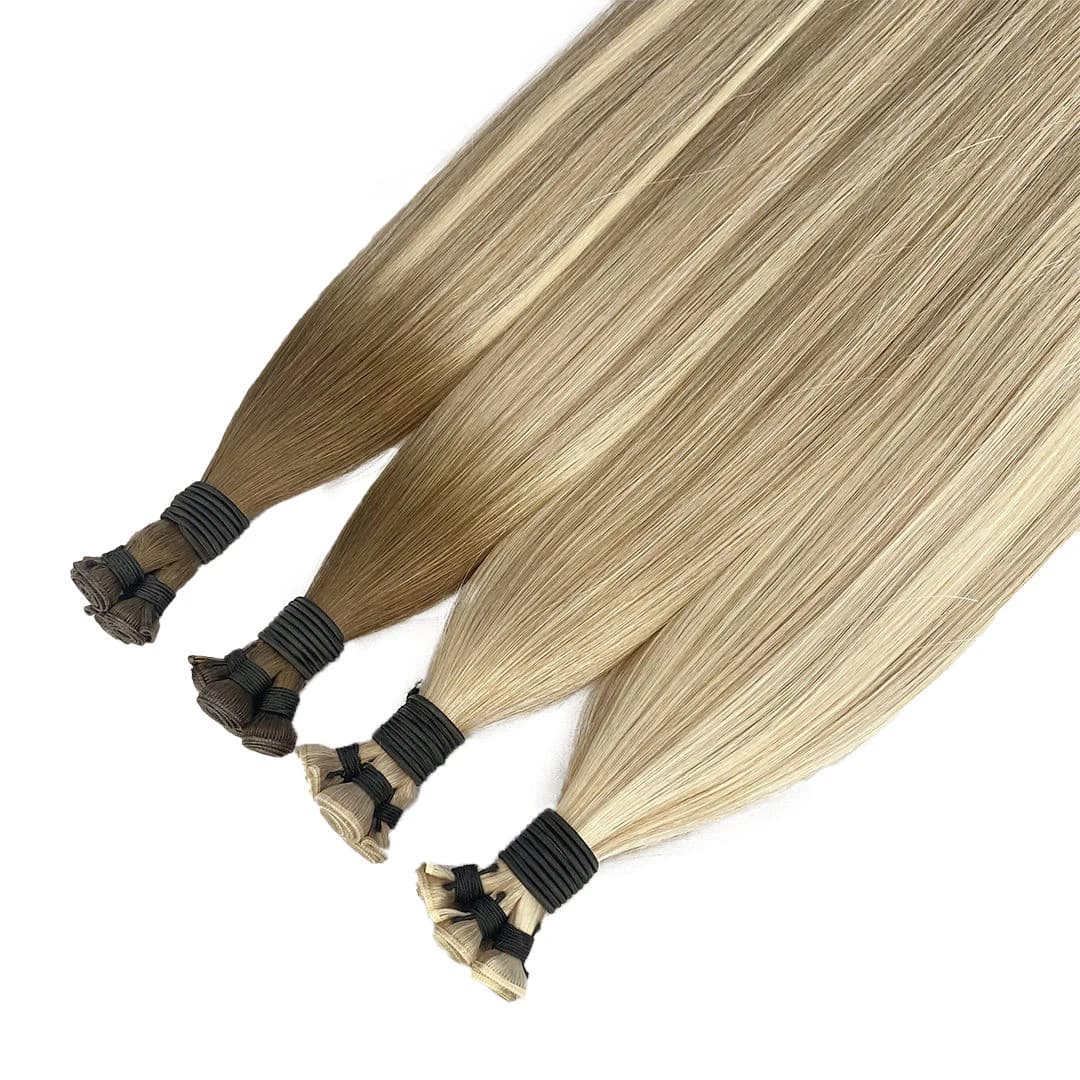
Choose blonde weft hair extensions by comparing four features: depth, tone, root transition and the distribution of lighter strands. A blonde that matches the ends can still look different at the attachment area, while a familiar name such as ash or beige may describe different shades across suppliers. A physical reference is the most useful starting point for an important match.
For salons, the goal is a believable blend with the client's intended hairstyle. For brands and wholesale buyers, the goal also includes a specification that can be sampled, identified and reordered. An attractive photograph helps start that discussion, but it cannot establish the exact shade under every light.
This guide explains how to select rooted, ash and balayage options, prepare a matching brief and review samples before buying. DR Hair Extension publishes it as a manufacturer and wholesale supplier. Product examples describe our current catalog; confirm the selected color, construction and availability on the quotation.
Separate blonde depth, tone and color pattern
Depth describes how light or dark the hair appears. Tone describes its color direction, such as cool, neutral or warm. Wella's explanation of hair levels and tones makes this distinction useful for salon communication. A cooler tone does not automatically mean a lighter blonde.
Rooted and balayage describe other aspects of the appearance. A rooted option introduces depth near the attachment area; a balayage-style option describes a graduated or dimensional color effect through the lengths. Either can be combined with cool or warmer blonde tones.
| Description | What to compare | Detail to specify |
|---|---|---|
| Ash blonde | Cool tonal direction | Desired depth and how muted or bright the result should appear |
| Beige or neutral blonde | Balance of warmth and coolness | Physical reference for the actual balance wanted |
| Golden blonde | Warmer tonal direction | Desired warmth without assuming every gold is the same depth |
| Rooted blonde | Darker root area and transition | Root shade, length and softness of the blend |
| Balayage blonde | Graduated or dimensional lightness | Starting point, contrast and distribution of lighter sections |
Treat those names as discussion categories, not universal shade codes. Wella describes balayage as graduated lightening; an extension supplier's balayage label should still be checked against the actual supplied pattern. The label does not prove how a particular extension was processed.
Choose rooted blonde by depth and transition length
A rooted weft can help connect darker natural roots with lighter lengths. Compare the root area of the actual sample with the hair that will cover the attachment, then review where the lighter color begins. Matching the blonde tips alone leaves half the decision unresolved.
Specify the root shade, the distance over which it remains visibly dark and how gradually it changes. A short soft transition and a long high-contrast root can create different results even when the blonde ends look similar. Request a measured root reference when the transition length is important, with the measurement method agreed on the quotation.
Review the root in the intended placement
Have the stylist assess coverage around the planned rows, parting and sides. The appropriate root effect depends on where the weft will sit and how the covering hair moves. A photograph of hair laid flat cannot establish whether an attachment will remain concealed in every hairstyle.
For a rooted or highlighted client, compare the natural root depth and existing color transition together. If a future color appointment is planned, agree whether the extensions should match the current hair or the intended salon result. Otherwise, the sample can be accurate for the wrong reference.
Compare ash, beige and golden blonde in consistent light
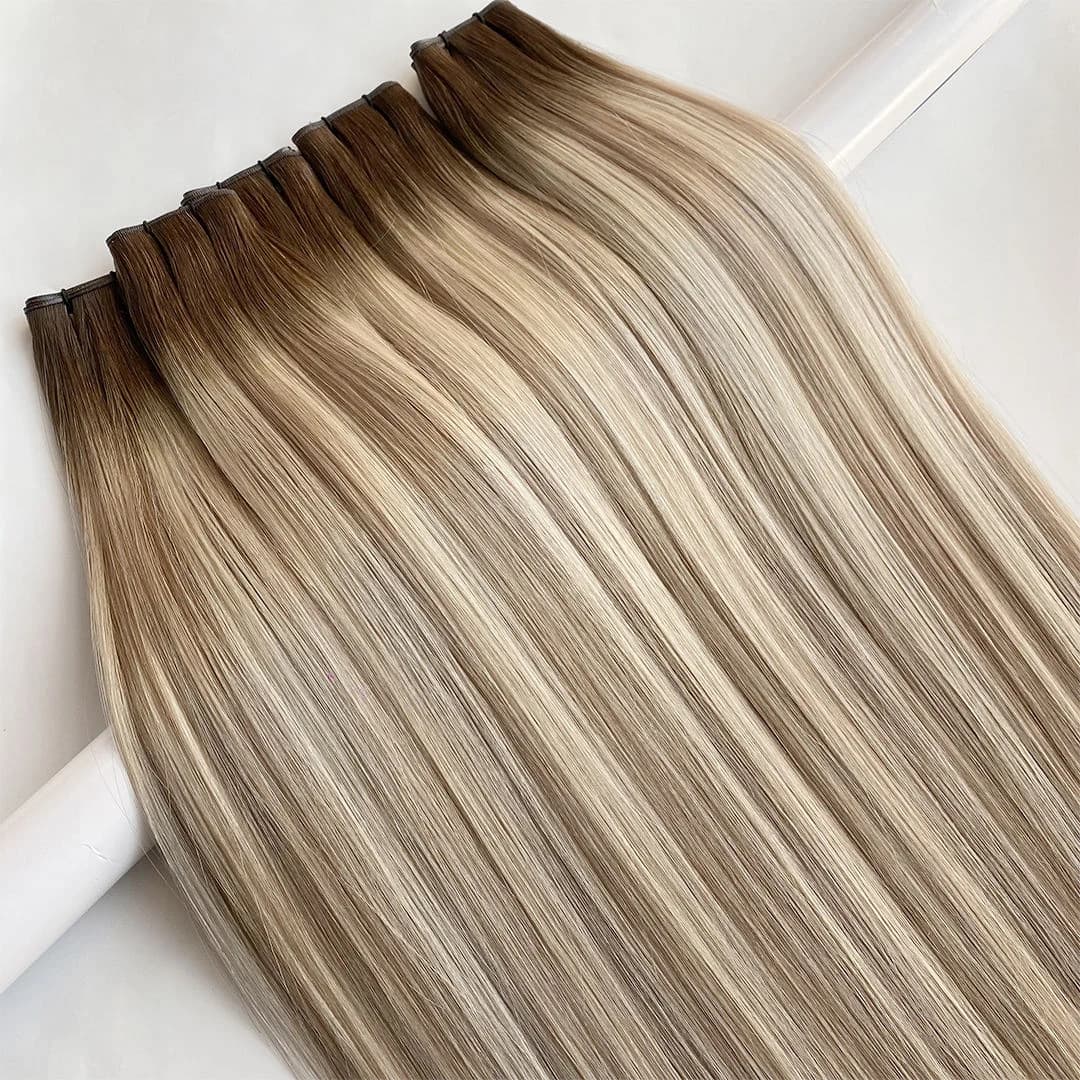
For ash blonde hair extensions, describe the desired coolness alongside the depth. Some buyers want a muted blonde; others want a brighter, paler result with less visible warmth. Those are different briefs. Ask for physical references rather than assuming the word ash means silver, platinum or one particular color number.
Beige or neutral descriptions also need confirmation. Compare the sample beside the client's hair instead of deciding whether it looks attractive on its own. A shade can appear balanced against a white background yet look warmer or cooler alongside the intended covering hair.
Use diffuse daylight and ordinary indoor lighting for the comparison. Keep the sample and reference together under the same light, with a neutral background where practical. Avoid judging one photograph taken under warm salon lights against another taken beside a bright window.
Record the reference without inventing a code translation
The DR hair extension color chart contains numbered, rooted and blended references. Use it to shortlist options, then confirm the actual physical match. Do not assume a DR code is interchangeable with a dye manufacturer's number or another extension company's shade name.
Keep a photograph of the selected physical reference with the sample identifier. Record what needs changing in plain language: less warmth through the lengths, a softer root transition, or more visible darker strands. That is more actionable than asking for “a better ash.”
Match balayage and highlights by their distribution
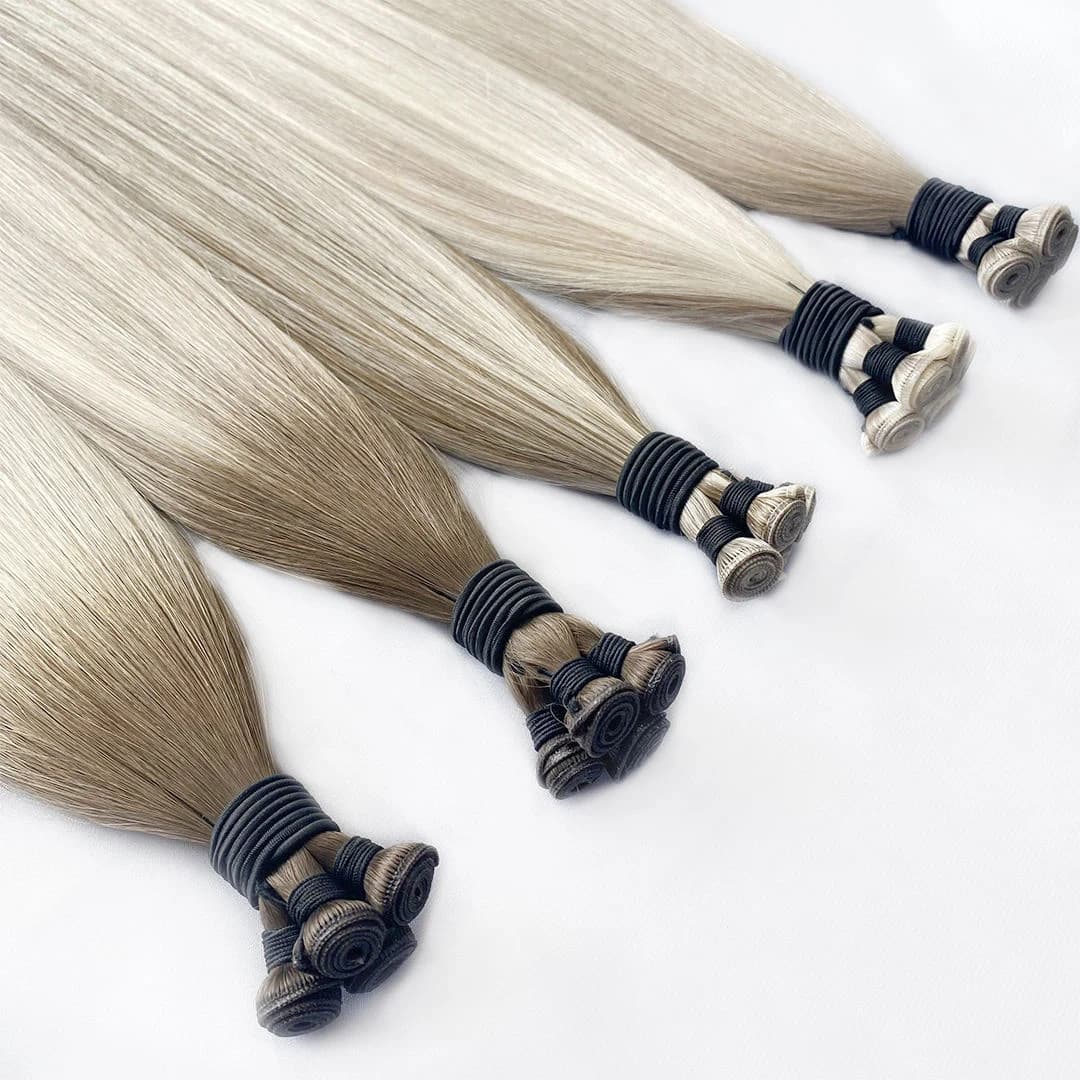
For balayage hair extensions, identify where the lightness begins, how much darker hair remains and how the contrast changes toward the ends. A broad light panel and fine ribbons of blonde can produce different blends even if both are sold under a balayage name.
For highlighted hair, compare the relative amount of light and dark hair through the mid-lengths as well as at the ends. Ask whether the existing highlights are fine and closely spaced, broader and more contrasting, or concentrated around the face. A single flat blonde may not reproduce that dimension.
Consider the intended hairstyle during product application planning. Hair worn down, curled or gathered can reveal the color distribution differently. Ask the stylist whether one approved blended shade provides the effect or whether selected compatible wefts should be combined. Do not assume every mixture of similar-looking blondes will blend evenly.
An illustrative brief might request a darker root, a gradual transition into beige blonde and fine lighter ribbons through the middle. The supplier should confirm which existing reference comes closest and whether a custom sample is needed. This is a planning example, not a fixed DR shade specification.
Approve the shade on the actual weft format
Use a physical color ring to narrow the choice, then review a sample in the construction and hair option you plan to buy. Spreading hair across a wide weft, folding it or gathering it into a bundle changes its presentation. Compare samples at a similar spread and under the same lighting.
DR's Genius Weft has 100g pack layouts containing two, four or five wefts. Those options describe how the hair is divided; they do not establish a different shade or the installation quantity appropriate for a client. Confirm the layout alongside the approved color.
If considering a different seam, review Flat Weft as its own product specification. Do not assume an accepted color photograph establishes the same base, width, pack format or fitting guidance across constructions. For fuller or more tapered ends, our single drawn versus double drawn guide explains the separate length-distribution question.
Check the sample before changing or fitting it
Record the product, shade reference, root transition, hair option, texture, length, pack weight and piece layout. Inspect the hair near the seam, through the middle and at the ends. Resolve an unexpected shade or label before cutting, coloring or installing the sample.
If washing or styling forms part of approval, agree on the routine first. Retain the starting reference and photograph the sample under comparable conditions afterward. These are recommended buyer checks, rather than a claim that every blonde configuration has passed a controlled DR colorfastness trial.
Our published US salon sampling story describes a stylist starting with a physical color ring and 300g across Genius Weft, tape-in and flat-tip formats. She assessed color and other product details before repeat orders. The useful lesson is the recorded sampling process, rather than a promised result for every blonde match.
Investigate orange or brassy changes before choosing a correction
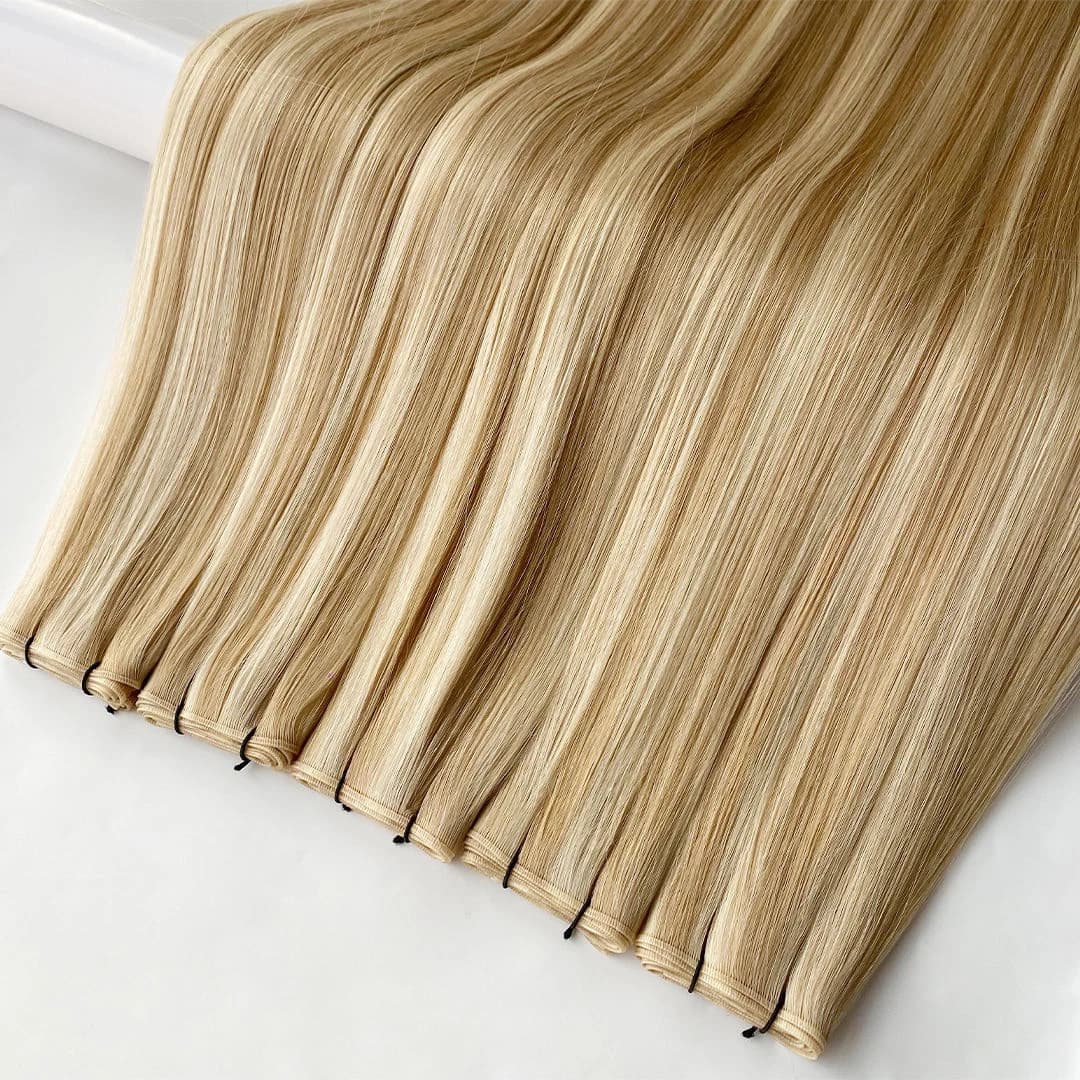
If blonde extensions look warmer, first establish whether the difference was present on arrival or appeared after use. Compare the retained reference under the same light. Record whether the change affects the entire length or only certain areas, and note recent care products, water exposure and styling.
Remi Cachet's discussion of discoloration and color fade distinguishes changes in the original color from discoloration associated with external exposure. Its aftercare guide also discusses environmental influences on lighter extensions. These provide context, not a diagnosis of a particular DR order.
Ask an extension professional and the supplier to review the actual hair and its history before selecting a treatment. Contact with lotions or self-tanning products, water conditions and changes in the supplied tone require different investigations. A photograph alone cannot reliably identify the cause.
Purple shampoo is not a universal solution
Wella's professional toner guidance distinguishes violet's role against yellow from blue's role against orange in color theory. That does not make every purple or blue product suitable for pre-colored extensions, nor does it establish a correction formula for the selected hair.
Follow the finished product's instructions and obtain approval for any proposed toning or chemical alteration. Where a professional assessment calls for a sample or strand test, agree on it before treating the set. Keep records while an unresolved color concern is being reviewed instead of repeatedly changing the hair and losing the original evidence.
Turn the approved color into a repeatable order
DR lists approximately 40 stock Genius Weft colors in 18, 20 and 22 inches, plus 100+ custom color options. Confirm availability for each selection: a color-chart entry is not a live stock record. Rooted, ash or balayage descriptions do not automatically mean every length and pack layout is ready to dispatch.
Genius Weft stock and custom hair orders start at 100g per color and length. For example, the same approved shade requested in two lengths represents two color-and-length selections. Confirm quantities and the chosen pack layout separately. Other weft products have their own terms.
Confirmed in-stock Genius orders can dispatch the same day when arrangements are agreed. Custom orders normally dispatch in 5–10 working days; shipping is separate. Ask for the schedule, service and delivery cost applying to your destination before booking appointments or announcing a collection launch.
Sample hair uses wholesale hair pricing, with delivery quoted separately for the selection. Compare offers for the same construction, hair option, color pattern, length, texture, weight and pack format. Keep labels, protective packaging and any private-label work identifiable as separate quotation details.
Preserve the approval when replenishing
Keep the approved sample reference and any agreed color revision with the purchase order. Ask the supplier to flag proposed substitutions before production. A different root length or highlight distribution should be reviewed as a change, even if the broad shade name stays the same.
On receipt, check labels, quantities and shades against the reference before mixing new packs into existing salon inventory. Keep shipments identifiable and report discrepancies with the order number, affected quantity and clear photographs before altering or using the hair.
Know what factory testing and shipment inspection cover
DR's confirmed quality-control process includes production-stage checks and weighing each pack. Final shipment inspection uses sampling for weight, ruler-measured length, color under dedicated inspection lighting, shedding and smoothness. A sampled nonconformity triggers full reinspection of the affected shipment.
Those checks are separate from a laboratory color-difference limit or a guaranteed no-fade claim. If customer requirements include a specific root-transition measurement, comparison method or approval record, agree on it before production. The published process does not specify one numeric color tolerance covering every shade.
For a salon or brand, build the opening assortment around shades supported by real consultations and accepted samples. Start with clear customer requirements and expand when demand justifies another reference. Our wholesale weft buying guide covers the broader purchasing and assortment process.
Frequently asked questions
Should blonde wefts match the roots or the ends?
Compare roots, mid-lengths and ends together. The lengths need to blend with the intended hairstyle, while the root and attachment area need appropriate coverage and transition. A rooted or dimensional sample may address both requirements better than matching one isolated section.
Are ash blonde extensions always very light?
No. Ash describes a cool tonal direction, while depth describes lightness or darkness. Specify both and approve a physical reference. Do not assume an ash label means platinum, silver or a particular DR shade number.
What is the difference between rooted and balayage wefts?
Rooted describes depth near the attachment area and its transition. Balayage-style hair describes a graduated or dimensional lightness pattern through the lengths. The features can appear together. Confirm root length, contrast and placement on the actual sample rather than relying only on the name.
Can I order the same shade code used by another brand?
Do not assume codes are interchangeable. Send the physical swatch or clear reference photographs and ask DR to confirm the closest available option. Approve the selected sample before treating a code conversion as an order specification.
Why have my blonde extensions turned orange?
Review the original sample, timing, care products and environmental exposure with the supplier and an extension professional. Color fade and discoloration need different assessments. Do not assume every orange change has one cause or that purple shampoo will correct it.
Can I tone blonde weft extensions myself?
Confirm the chosen product's processing and permitted care or alteration instructions first. A professional should assess any proposed color change and appropriate sample testing. Generic salon color formulas are not automatic approval for the supplied extensions, and alterations can affect the review of a color concern.
Conclusion
Choose blonde weft hair extensions by specifying depth, tone, root transition and lighter-strand distribution together. Approve the result on the selected construction, retain the reference and connect it to clear order and care instructions. That process gives salons and brands a more dependable basis for matching and replenishment than a shade name or screen image alone.
GENIUS WEFT SOURCING
Request a Genius Weft specification or quote.
Share your shade references, lengths, texture, quantities and preferred pack format. Fields marked with * are required.