
BUYING GUIDE
Weft Hair Extensions Wholesale: A Practical Buying Guide
Buy weft hair extensions wholesale with a clear plan for construction, pack sizes, MOQ, samples, quality checks and reorders.
Introduction
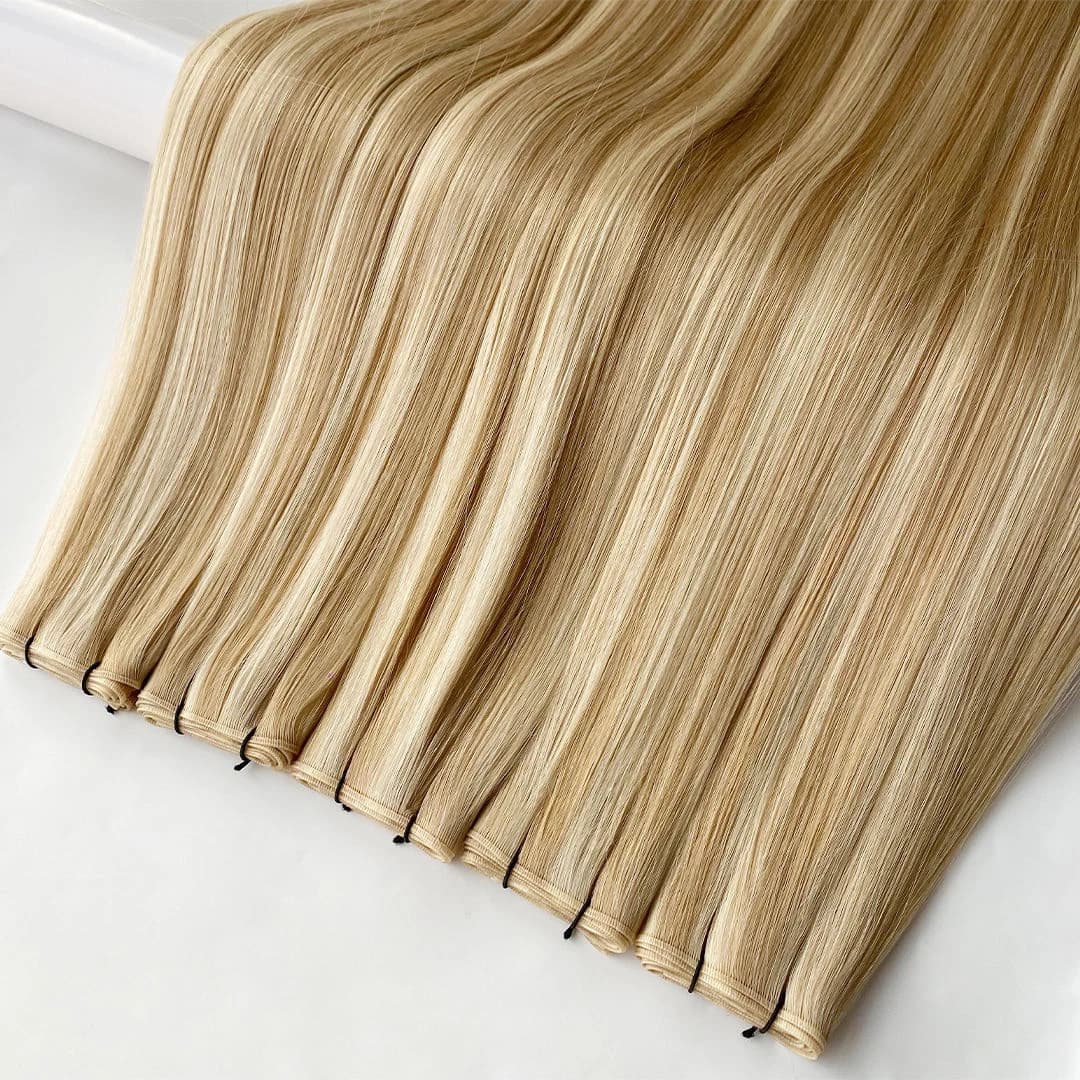
Buying weft hair extensions wholesale starts with a clear specification, not a price per bundle. Compare the construction, total pack weight, number of pieces, unfolded width, shade and order terms together. Then approve a representative sample before committing to an assortment. This makes quotations comparable and gives both buyer and supplier a reference for repeat orders.
For salons, the right purchase supports the installation methods and client colors already in demand. For distributors and developing brands, it must also support consistent labeling, replenishment and packaging. A low opening price helps little if the pack layout creates avoidable waste or a replacement shade is difficult to source.
This guide explains how to select a weft format, calculate an opening order and review quality before scaling. DR Hair Extension publishes it as a wholesale manufacturer and supplier. Product examples refer to our current catalog; confirm the selected configuration and availability on your quotation.
Choose a weft construction for your application
Begin with your service menu and customer requirements. A familiar construction that your team can fit and maintain consistently is often a more practical opening purchase than several unfamiliar systems. Evaluate the seam, flexibility, distribution of hair and intended attachment method alongside appearance.
The following are DR standard configurations, rather than definitions that apply to every supplier. Width means the individual weft fully unfolded. Customized packs can differ.
| DR weft option | Standard 100g pack | Listed individual width | Purchasing consideration |
|---|---|---|---|
| Genius Weft | Two 50g pieces | Approximately 80cm per piece in this configuration | Compare a discreet construction and flexible pack layouts |
| Flat Weft | Two 50g pieces | Approximately 70–90cm per piece | Review the flat seam and made-to-order specification |
| Machine Weft | One 100g piece | Approximately 80–100cm | Compare a machine-sewn format for your installation workflow |
| Volume Weft | One 100g piece | Approximately 80cm at this individual weight | Assess its three-layer construction and distribution of volume |
| Butterfly Weft | Two 50g pieces | 40cm per piece | Confirm compatibility with its micro-ring or bead fastening method |
Genius and flat constructions
Genius Weft offers alternative 100g pack layouts, including four 25g or five 20g pieces. Specify the layout rather than assuming all 100g packs contain the same number of wefts. A narrower allocation per piece may change how your stylist plans rows and inventory.
Flat Weft is made to order. Its standard pack contains two 50g wefts, while individual-weight options and customized arrangements require confirmation. Evaluate seam visibility and feel on the approved sample. Product names alone do not establish equivalent thickness or performance across manufacturers.
Machine, volume and Butterfly formats
Machine Weft and Volume Weft both have a standard single-piece 100g pack. Volume Weft uses three layers; its width changes with individual weft weight. Its alternative pack weights do not automatically change the minimum order quantity.
Butterfly Weft uses bead or micro-ring fastening. The legacy URL includes “tape,” but this product should not be ordered or installed as adhesive tape-in hair. Obtain method-specific preparation, fitting and removal guidance before introducing it to your salon.
Put measurable specifications on the purchase order
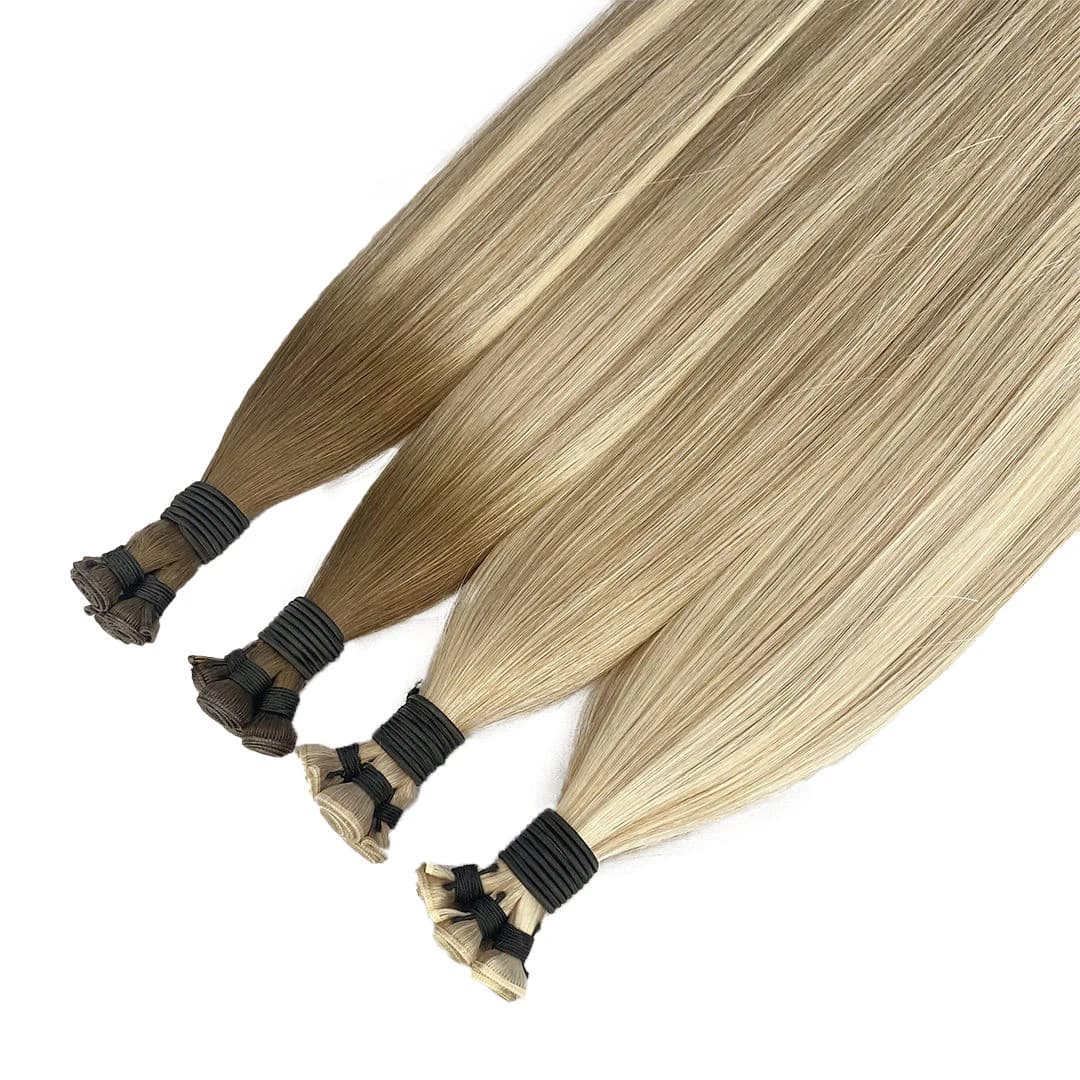
“100g blonde weft” leaves important details unresolved. Record net hair weight per pack, pieces per pack, weight per piece and unfolded width per piece. For example, two approximately 80cm Genius wefts provide approximately 160cm of combined unfolded width. They are not one 160cm piece, and that total is not a fitted row measurement.
Document length and its measurement method, texture, shade reference and desired end fullness. DR lists human hair with Virgin Hair and Remy Hair options; ask which option and processing description apply to your selected order. “Remy” concerns cuticle alignment, while a claim about virgin hair requires clarification of processing history. Neither label alone specifies end fullness or proves a wear lifespan.
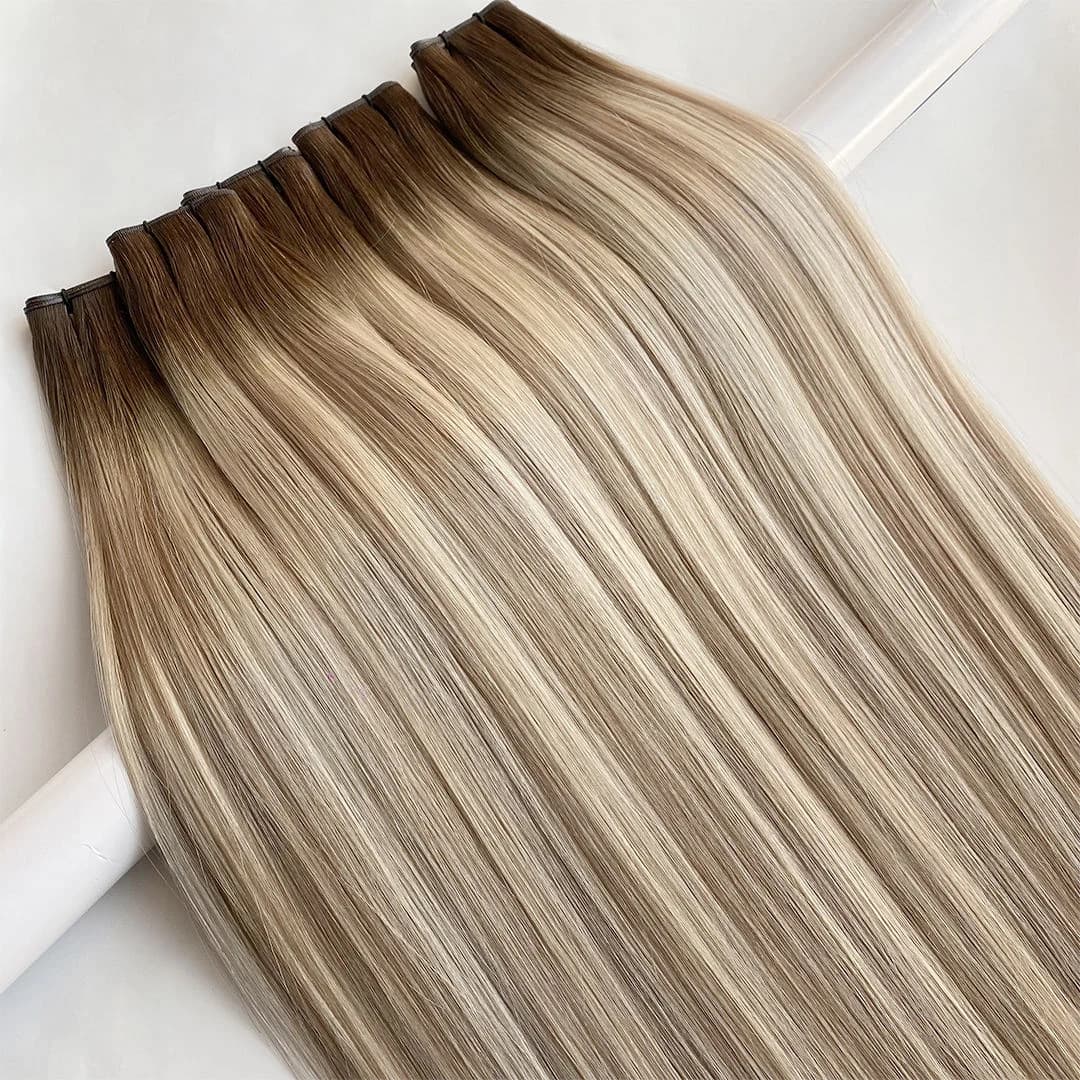
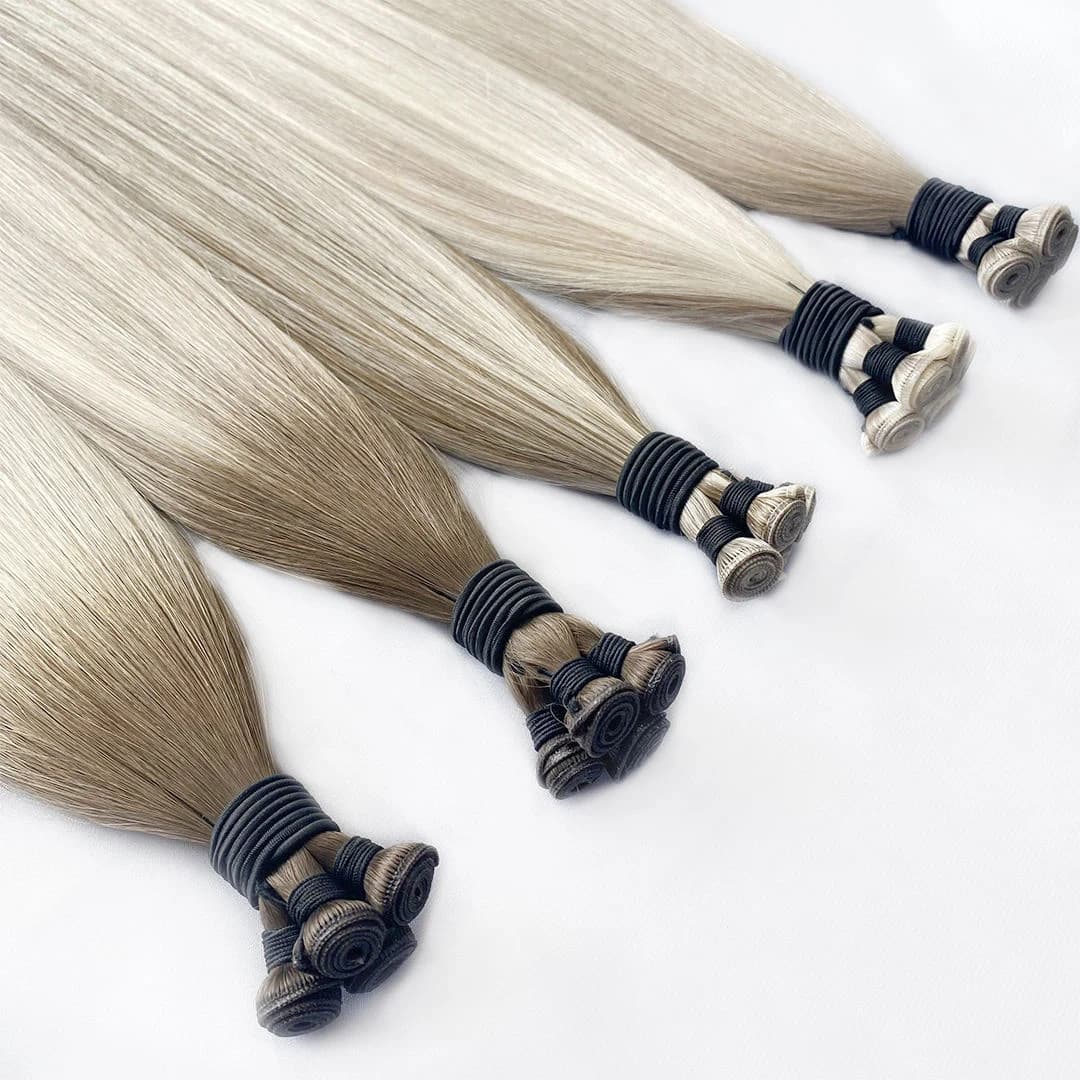
Use a physical shade reference for root depth, tonal transition, highlights and ends. The color chart and matching guide supports the initial discussion, but screen brightness and photography affect appearance. Request an approved sample for shades central to your collection.
Include cutting instructions. DR lists Flat, Machine and Volume Weft as cuttable without extra reinforcement at their cut edges. Confirm instructions for the exact Genius or Butterfly construction instead of transferring that permission automatically. Pack weight is a purchasing unit; a trained stylist must determine the appropriate installation amount and placement for each client.
Plan minimum orders around individual SKUs
Treat each construction, color, length and pack layout as a defined stock-keeping unit, or SKU. Ask whether the MOQ applies per SKU, per shade or to the order total. An attractive minimum advertised on a homepage may not cover every customized option.
DR's Genius and Butterfly minimum is 100g per color and length. Flat, Machine and Volume Weft list a 100g minimum; confirm the color, length and pack arrangement covered by the quote. Packaging, labels or other customization may have separate quantity requirements, so request those terms separately.
An illustrative opening assortment of six Genius shades in two lengths creates 12 combinations. At 100g per combination, the hair order is 1,200g before adding any duplicate packs. This is an inventory example, not a recommendation to purchase every shade or install a particular weight.
Use appointment history or existing sales to choose the initial mix. Prioritize repeat colors and useful adjacent tones, then expand after sample approval and actual demand. A smaller validated assortment can be easier to replenish than a broad range of slow-moving stock.
Match the opening order to your business model
For a salon purchasing against booked consultations, start with confirmed client shades, the stylist's fitting plan and the next maintenance cycle. Keep a record of which packs are allocated to appointments so available inventory does not include hair already promised to a client. Check stock before accepting a time-sensitive booking.
For a distributor, consistent pack identification matters alongside the hair itself. Customers need to know the exact construction, shade, length, weight and piece count without opening a pack. Ask whether the same configuration can be repeated and how a substituted shade or revised specification will be communicated before dispatch.
For a new hair brand, separate collection development from launch inventory. Approve the hair first, then confirm packaging artwork, labels and the saleable pack configuration. Order quantities should reflect a realistic replenishment plan. A launch photograph showing many shades is not, by itself, a reason to buy every shade in equal quantities.
Approve a sample through your real salon workflow
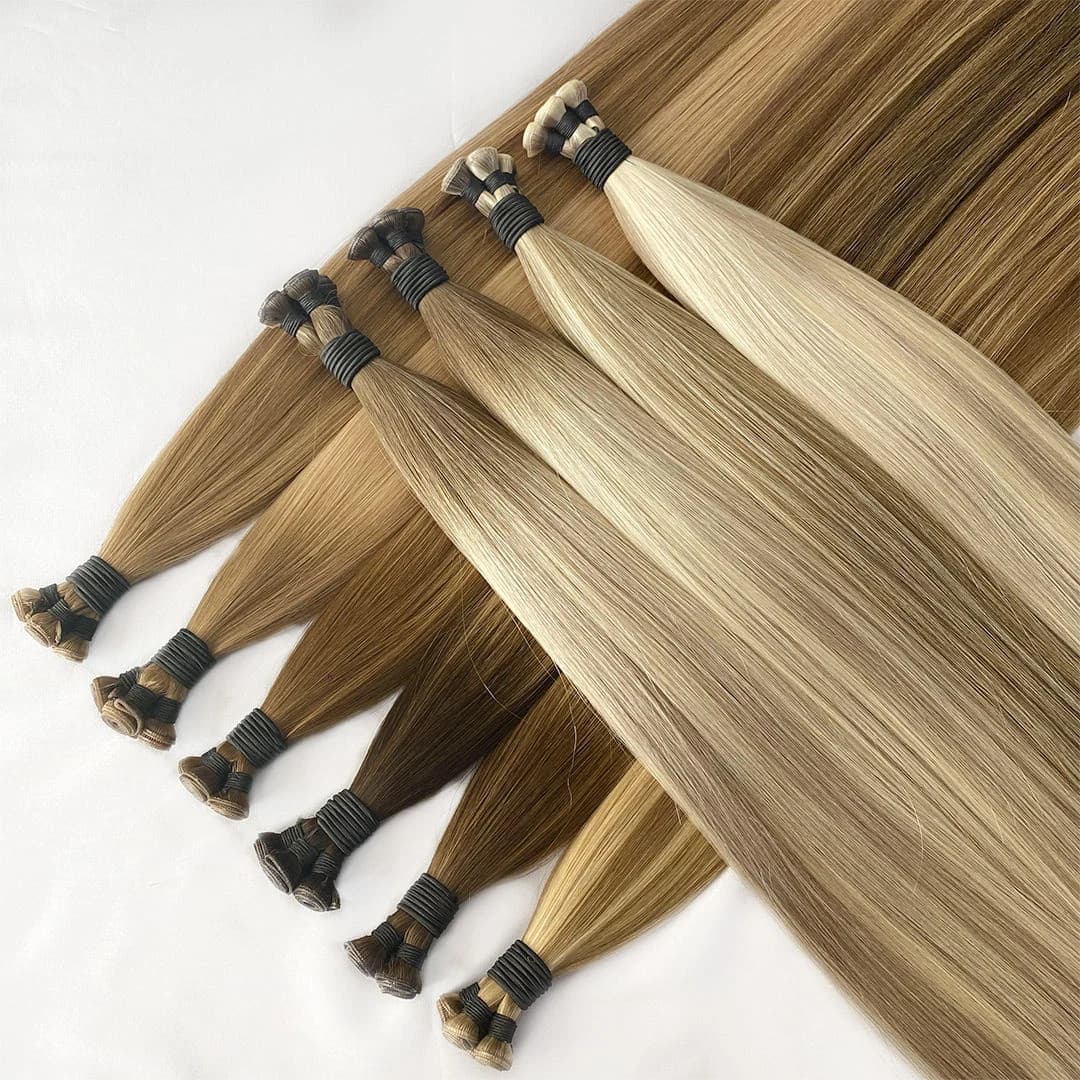
Choose samples that represent the products you expect to reorder, particularly important blondes, rooted shades and constructions. Assign each sample an order reference and record its configuration before opening or handling it. Keep photographs and a physical reference so a future reorder can be checked against the same approval.
Review the sample before installation
Check the seam, flexibility, hair distribution and ends. Measure weight and length using an agreed method, and compare color under consistent lighting. Ask the supplier to explain any difference from the quotation before proceeding. Photographs can support a discussion, but they do not establish exact dimensions or hair composition.
Document product application and maintenance
For installation preparation, obtain the supplier's guidance and have a trained professional assess placement, blending and attachment compatibility. During a product application trial, record washing, drying, brushing and styling conditions, then note tangling, shedding, texture changes and comfort. Use a consistent routine when comparing samples.
These are recommended buyer checks, not a claim that DR has completed a controlled wear trial for every specification. Keep the sample decision simple: approve, request a defined adjustment or reject, with written reasons. Clarify the applicable sample and after-sales terms before washing, coloring or installing hair.
What one DR customer did before expanding
Our published US salon customer story describes a stylist starting with a color ring and 300g of samples: 100g each of Genius Weft, tape-in and flat-tip hair. The customer reviewed softness, color, end fullness and construction, then evaluated installation, washing, styling and comfort before reordering and developing branded presentation materials. This is one anonymized purchasing journey, not a comparative test or a promised business outcome.
Compare the cost of usable stock
Request quotations for the same hair option, shade, length, texture and pack construction. Separate hair price from packaging, delivery and any destination charges. Ask which charges are included rather than assuming every supplier calculates a delivered price in the same way.
A useful comparison is total acquisition cost divided by usable hair weight, multiplied by 100 to express cost per usable 100g. Define “usable” consistently: trimming, blending needs and pack configuration can affect how much stock supports your intended services. This calculation is a planning tool, not a factory yield claim.
Consider tools, consumables, training and installation labor separately. A format your team handles efficiently may have a different service cost from one requiring a new technique. For branded ranges, request a separate private-label proposal covering artwork, labels, bags and pack identification. Approve packaging details with the hair specification so an attractive presentation does not conceal unclear contents.
Send a quotation brief the supplier can answer
An effective request might read: “Please quote Genius Weft in the attached shade references, 20 and 22 inches, standard 100g packs containing two 50g pieces. Confirm the width per piece, available hair option, quantity per shade and length, sample charge, packaging options, dispatch estimate and delivery cost to our destination.” This is an inquiry example, not an approved order. Attach a SKU quantity sheet and ask the supplier to flag unavailable items or specification changes before you pay.
Ask what factory testing and inspection actually cover
“Quality checked” is more useful when the supplier explains the process. Ask what is measured, whether checks cover every pack or a sample, and how a nonconformity is handled. Agree on acceptance criteria for your order rather than assuming an industry-wide tolerance or certification.
DR's pre-shipment quality checks include checks during production and weighing each pack against its agreed weight. Final shipment inspection uses sampling to review weight, measured length, color, shedding and smoothness. Length is checked with a ruler and color under dedicated inspection lighting. If a sampled nonconformity is found, the affected shipment is fully reinspected.
This describes the confirmed process. It does not establish an independent certification, a published sampling standard or a guaranteed lifespan. Buyers requiring specific tolerances, test conditions or records should agree on them before production.
At receipt, compare the shipment against the purchase order, pack labels and approved reference before combining batches. Record shortages or mismatches promptly, retaining packaging and order information. Ask in advance how to report an issue and what evidence, reporting period and remedy apply to your order.
Separate production, dispatch and delivery
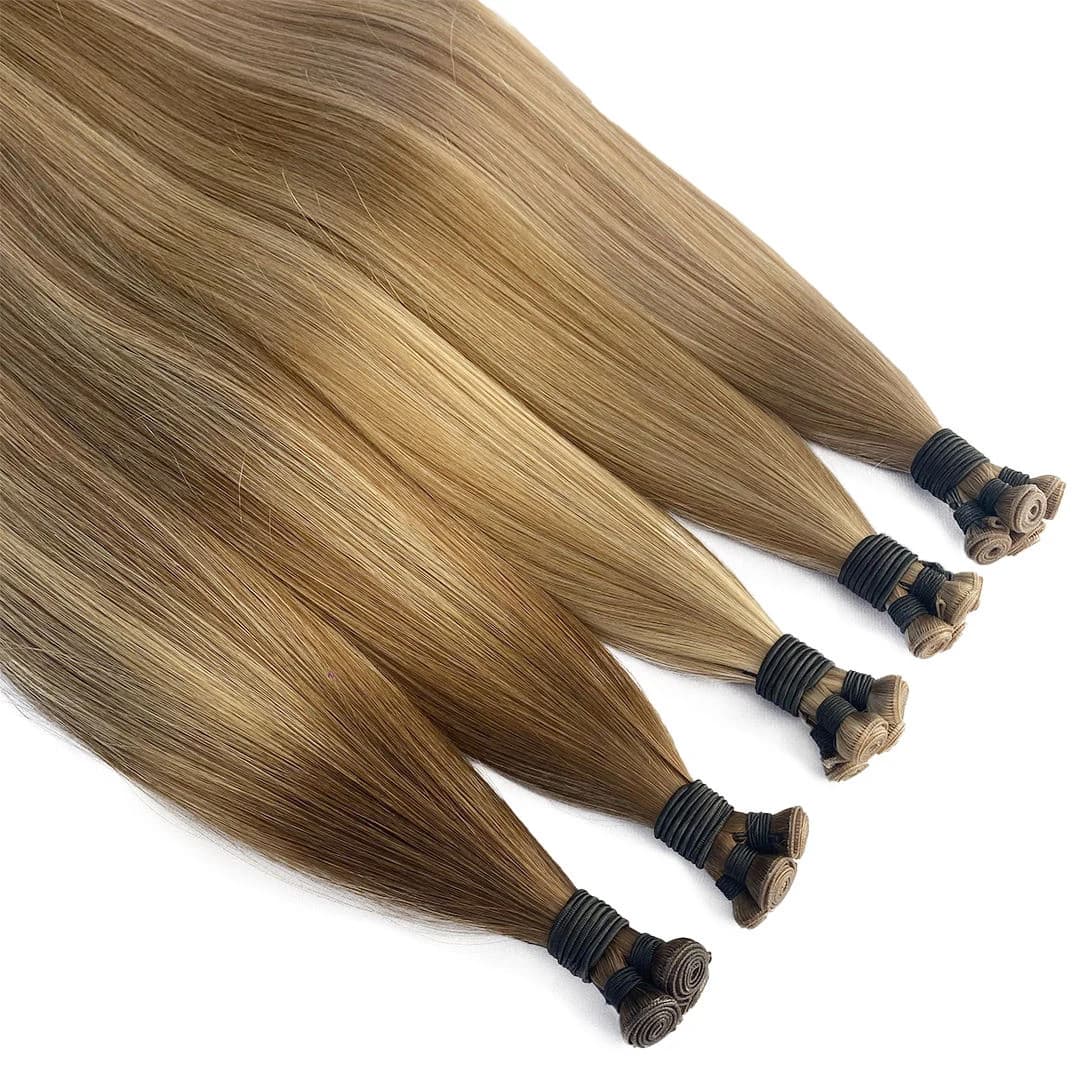
Stock availability belongs to a specific SKU. DR lists Genius stock in 18, 20 and 22 inches and Butterfly stock in 22 inches, each across approximately 40 colors. Confirm the chosen shade, length and quantity. A confirmed stock order may be arranged for same-day dispatch; obtain the actual dispatch arrangement before promising an appointment.
Flat, Machine and Volume Weft are made to order, with listed lengths from 14 to 30 inches. Their usual custom production estimate is 5–10 working days. Custom Genius and Butterfly orders also normally require 5–10 working days before dispatch. Confirm the schedule for your approved specification.
Delivery estimates are separate. DR commonly lists 2–4 working days after dispatch, subject to destination, courier and customs. Leave appropriate contingency when planning launches or bookings. For replenishment, retain the approved SKU details, shade reference and pack labels, then reorder early enough to cover both preparation and transit.
Review replenishment by SKU rather than total grams sold. A popular rooted blonde may require a different reorder rhythm from a slower brown shade. Track remaining packs, committed appointments and the current confirmed lead time together. Before adding a new batch to existing stock, compare its label and shade with the retained reference, and resolve any unexpected difference before installation.
Frequently asked questions
What should I ask a wholesale weft supplier first?
Request the construction, hair option, shade, length, net pack weight, piece count and unfolded width per piece. Then confirm MOQ, sample pricing, availability, production time, delivery charges and after-sales terms. A written specification makes quotations easier to compare and gives you a reference when approving samples or checking reorders.
What is the minimum order for wholesale weft hair extensions?
It depends on the supplier and product. DR lists 100g per color and length for Genius and Butterfly Weft. Flat, Machine and Volume Weft list a 100g minimum, with the quoted assortment and configuration to be confirmed. Ask separately about packaging and other customization minimums.
Is a 100g weft pack always one piece?
No. DR's standard Genius, Flat and Butterfly packs contain two 50g pieces, while standard Machine and Volume packs contain one 100g piece. Alternative layouts are available for some products. Compare the number, weight and width of individual wefts, and keep pack quantity separate from the amount a stylist decides to install.
Can wholesale wefts be cut to fit a client?
Cutting depends on the construction. DR lists Flat, Machine and Volume Weft as cuttable to size without additional reinforcement at cut edges. Obtain the specific instructions for Genius and Butterfly Weft before cutting. A trained stylist should plan placement and attachment using the selected product's guidance.
How do I check quality before ordering in bulk?
Approve representative paid samples and document color, dimensions, seam construction, end fullness and handling. Use a consistent professional application and maintenance trial, then retain a reference sample and written decision. Ask what factory checks and shipment inspection cover; photographs and a generic hair-grade label cannot replace an agreed specification.
Can I order wefts under my own brand?
DR offers discussions around customized hair specifications and private-label presentation. Send your planned construction, shades, lengths, pack contents, quantity and artwork requirements. Request confirmation of hair and packaging minimums, sample approval, production timing and labeling details. Begin with a manageable collection that you can validate and reorder consistently.
Conclusion
A sound wholesale weft order combines a suitable construction, measurable pack specifications, an approved sample and clear delivery terms. Compare like-for-like quotations, test through your own salon workflow and keep records that support repeat orders. These steps give procurement teams a firmer basis for purchasing than a bundle photograph or a low headline price alone.
HAIR EXTENSION SOURCING
Request a hair extension specification or quote.
Share your shade references, lengths, texture, quantities and preferred pack format. Fields marked with * are required.